
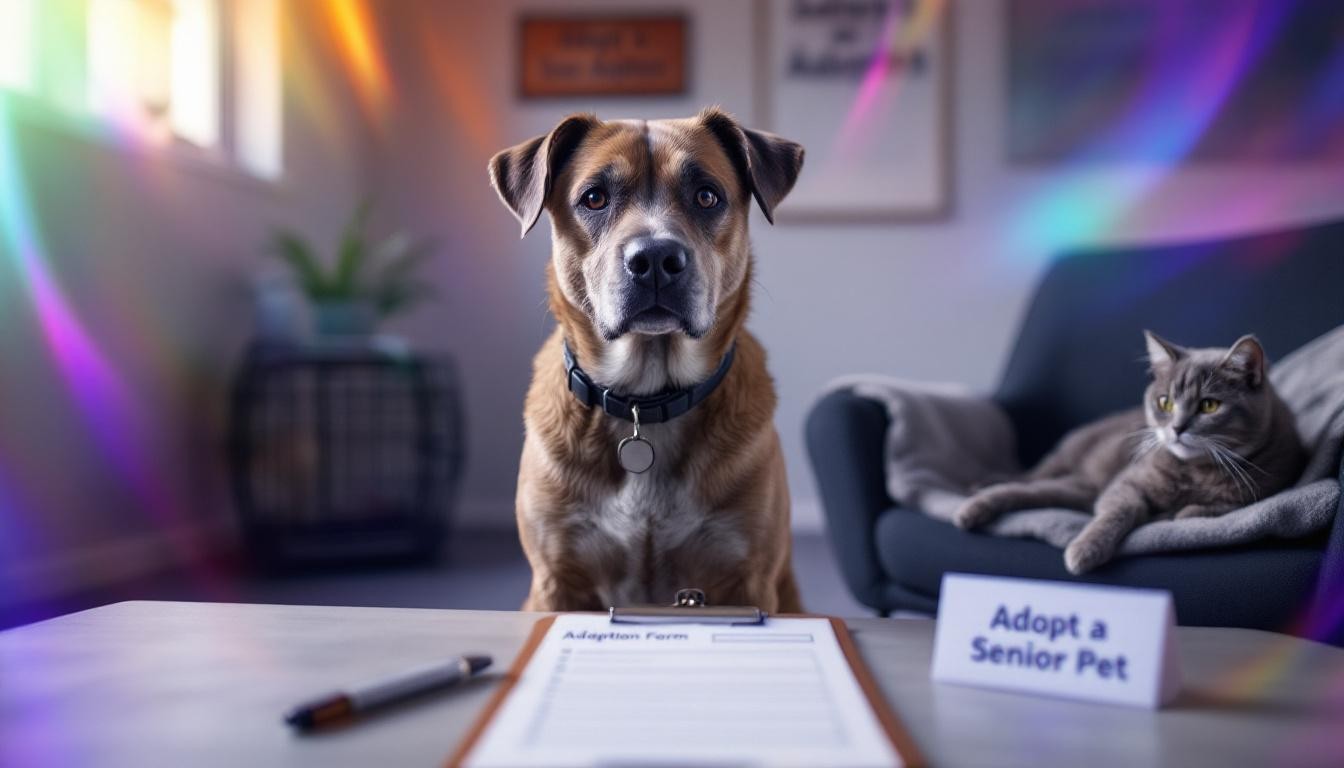
Most people think younger pets are the better choice. At LifeEventGuide, we believe senior pet adoption offers something different-and often better.
Older pets bring calm, established personalities, lower costs, and fewer surprises into your home. They’re ready to fit into your life right now, without the chaos of training or unpredictable behavior.
What Health Advantages Come With Adopting an Older Pet
Older pets typically have lower energy levels and calmer temperaments than younger animals, which means they fit naturally into most households without constant stimulation or supervision. Senior dogs often remain active and enjoy daily walks and companionship, but they don’t require the intense engagement that puppies demand. Senior pets are often overlooked in favor of younger animals, yet older dogs and cats are typically calmer and more experienced with established routines. This stability matters for your daily life. A senior dog won’t need potty breaks every two to three hours or constant play sessions to burn energy. Instead, a seven-year-old or older dog will settle into a predictable rhythm that matches a typical family schedule.
Why Behavioral Problems Are Less Common
Older pets come with established personalities and social skills already in place. They’ve moved through the unpredictable adolescent phase where dogs test boundaries and develop unwanted habits. A senior dog arriving at your home has already learned what works and what doesn’t in a household setting. This means fewer destroyed furniture pieces, fewer accidents on carpets, and fewer surprises during your first months together. Many older dogs arrive with basic commands and house-training already complete, which significantly reduces the training burden compared to starting from scratch with a puppy. The behavioral consistency you get with an older pet isn’t luck-it’s the result of years of living in homes and learning what behavior gets positive responses.
Managing Age-Related Health Conditions
Senior dogs do face age-related health concerns including arthritis, dental disease, vision and hearing loss, and thyroid or kidney issues. However, this doesn’t mean higher costs or constant emergencies. A comprehensive wellness exam soon after adoption helps create a personalized care plan, and regular veterinary visits with annual bloodwork catch problems early when they’re easier and cheaper to manage. Many senior dogs live comfortably for years with proper support. Common age-related conditions like arthritis respond well to joint supplements, orthopedic bedding, and non-slip rugs that prevent falls. Dental disease, prevalent in older dogs, slows with regular brushing and vet-approved dental care. Weight management through appropriate portions and senior-formulated diets supports overall health.
Finding Specialized Veterinary Support
The Senior Dog Veterinary Society offers a directory to help you find veterinarians who specialize in senior pet care, ensuring your older dog receives guidance tailored to their specific needs rather than generic puppy-focused advice. A vet experienced with aging animals will catch subtle changes in appetite, mobility, or behavior that signal treatable conditions. This expertise makes a real difference in your pet’s comfort and longevity. With the right veterinary partner in place, you’re ready to set up your home to support your senior pet’s physical needs and emotional well-being.
The Real Cost Advantage of Adopting Older Pets
Lower Adoption Fees Open the Door
Adoption fees for senior pets run significantly lower than fees for puppies or young animals. Most shelters and rescues charge between $50 and $200 for senior dog adoptions, while puppies often cost $300 to $500 or more. Operation Kindness in Texas, one of the largest no-kill shelters in the country, offers reduced adoption fees specifically for senior pets to encourage more adoptions of overlooked animals. This immediate savings matters when you budget for a new family member.
Fewer Emergencies Mean Lower Veterinary Bills
Senior pets typically generate fewer veterinary emergencies than younger animals. A senior dog with an established medical history often costs less to care for than a young pet with unknown genetic predispositions or sudden injuries. You know what you’re getting with health screening completed before adoption, and your veterinarian can plan preventive care accordingly.
Young dogs suffer torn ligaments, swallowed foreign objects, and ear infections at higher rates simply because they’re more active and exploratory. Senior dogs settle into routines that reduce accident risk and emergency visits. When age-related conditions do emerge, they’re typically manageable with affordable interventions like joint supplements or dietary adjustments rather than expensive surgeries.
Personality Match Saves Money in Hidden Ways
The personality match advantage saves you money in less obvious ways. An older dog arrives with an established temperament you can evaluate before adoption, meaning you won’t spend months discovering incompatibilities or behavioral problems that require professional training or rehoming. A calm senior dog won’t destroy your furniture, chew through drywall, or create damage that forces you to replace household items. You won’t need to hire a trainer to address destructive behaviors or leash aggression. You won’t take time off work for emergency vet visits related to the chaos of puppyhood.
First-time owners particularly benefit from this stability because they avoid the hidden costs of learning pet ownership through trial and error. The predictability of a senior pet’s energy level and social skills means your home setup costs less too. You won’t need extensive baby-gating, specialized containment systems, or multiple replacement toys. The financial advantage compounds over months as you avoid the continuous expense of managing an unpredictable, high-energy young animal.
With costs controlled and personality aligned with your lifestyle, the next step involves preparing your physical space to support your senior pet’s comfort and safety.
Preparing Your Home for a Senior Pet
Create Safe Flooring and Comfortable Resting Spaces
Your home setup determines whether your senior pet settles in quickly or struggles during those critical first weeks. Senior dogs need non-slip flooring because arthritis and vision loss make slick hardwood or tile dangerous-add area rugs or carpet runners in hallways, near food bowls, and on stairs to prevent falls. Orthopedic bedding matters more for older dogs than younger ones; invest in a quality orthopedic bed with a washable, waterproof cover and a soft throw blanket for joint support. Place food and water bowls on a non-slip mat at a comfortable height so your senior doesn’t strain their neck. Install night lights in hallways and sleeping areas because senior dogs with vision loss navigate better with consistent lighting.
Modify Your Layout for Mobility and Safety
Your veterinarian can recommend specific ramps for furniture or stairs if your dog struggles with jumping, and many seniors appreciate having their sleeping area on the ground floor to avoid frequent climbing. Keep your home layout consistent-don’t rearrange furniture constantly because older dogs with hearing or vision loss rely on memory to move safely through spaces. Remove toxic plants, secure electrical cords, and block access to stairs with baby gates if climbing becomes difficult. Stock essential supplies before adoption: dental care products, grooming supplies, a carrier or crate, a leash, a suitable harness, and softer toys that are easier on aging teeth and gums.
Build Trust Through Routine and Patience
Building trust with your newly adopted senior happens through routine and patience, not through forcing interaction. The 3-3-3 rule sets realistic expectations: in the first three days your new dog will be overwhelmed with his new surroundings, the first three weeks bring routine and behavioral adjustments, and the first three months most dogs feel genuinely settled and bonded. During week one, keep your schedule predictable-feed at the same times, take walks at the same times, and maintain consistent bedtimes so your senior knows what to expect. Older dogs value stability after shelter life, and predictability builds confidence faster than spontaneous activities.
Use Positive Reinforcement and Gather Information
Use gentle, positive reinforcement training rather than corrections; senior dogs respond well to calm praise and treat rewards without the intensity younger dogs sometimes need. Contact your shelter or rescue organization with specific questions about your dog’s history, medical needs, and behavioral quirks because this information shapes how you interact during early weeks. Ask about past triggers, favorite toys, or commands your dog already knows so you can build on established skills rather than starting from scratch. Many shelters provide post-adoption support-Operation Kindness and similar rescues offer guidance, training resources, and follow-up check-ins to help adoptions succeed.
Schedule a Wellness Exam and Establish Veterinary Care
Schedule a wellness exam within the first week so your veterinarian can review the adoption paperwork, explain any age-related conditions, and create a care plan tailored to your specific dog. This visit also establishes your vet as a trusted partner for the months ahead, which matters enormously when you need advice about supplements, dietary adjustments, or behavioral changes.
Final Thoughts
Adopting a senior pet transforms your life in ways that go beyond the practical advantages we’ve covered. Senior dogs and cats offer something puppies simply can’t: immediate companionship without the chaos of training, behavioral surprises, or constant supervision. They arrive ready to settle into your home and your routine, asking only for stability, comfort, and care. Older dogs seem to understand they’ve received a second chance, and that gratitude shows in their loyalty and affection.
For your family, senior pet adoption means fewer disruptions, lower stress, and more time for the activities that matter. You avoid the financial drain of emergency vet visits, destructive behavior, and professional training. You gain a predictable companion who fits naturally into your daily rhythm, whether you’re a first-time pet owner, a busy professional, or someone seeking a calmer household.
The transition from shelter to home takes patience and planning, but the framework remains straightforward. Set up your space for safety and comfort, establish a consistent routine, and work with your veterinarian to address any age-related needs. We at LifeEventGuide offer resources and checklists to help you navigate major life transitions like pet adoption by defining goals, timelines, and key decisions so you move forward calmly and confidently. Your senior pet is waiting at a local shelter or rescue, ready to reward your kindness with years of steady, uncomplicated love.
Publisher’s Note: LifeEventGuide is an independent educational publisher. Some articles reference tools or services we recommend to help readers explore options related to major life transitions. Learn more about how we make recommendations here.