
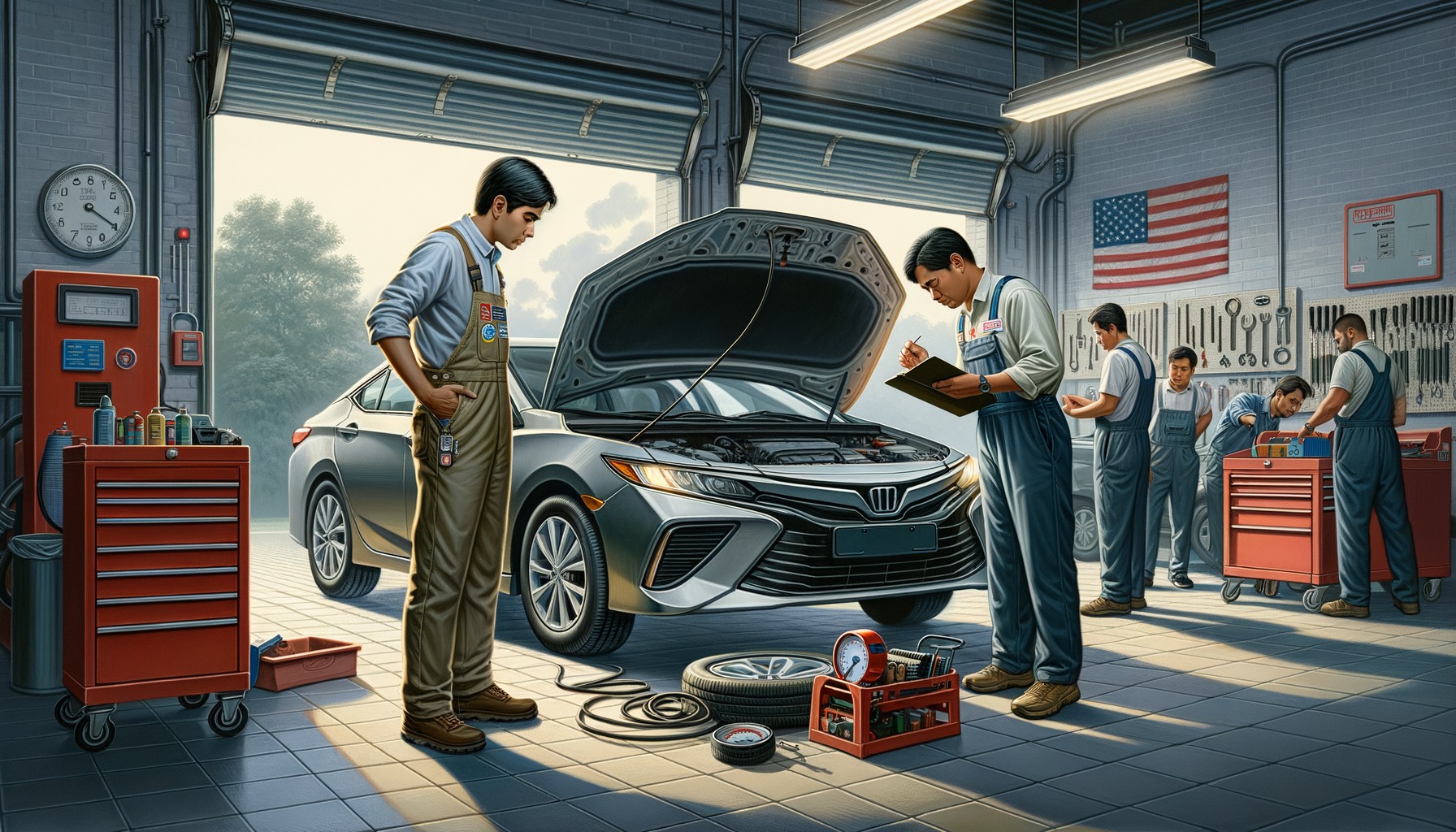
A pre-purchase inspection car check reveals what’s really going on under the hood before you commit to buying. Whether you’re shopping for your first vehicle or your fifth, knowing what mechanics look for helps you make smarter decisions.
At LifeEventGuide, we break down the key systems mechanics examine so you understand exactly what’s being tested and why it matters for your safety and wallet.
What Mechanics Check in Your Engine and Fluid Systems
Oil Level and Condition
Engine oil sits at the top of any mechanic’s inspection list because it’s the lifeblood of your vehicle. A mechanic will pull the dipstick to check both the level and the condition of the oil. Fresh oil appears amber or light brown, while dark, thick, or gritty oil signals that your engine hasn’t been properly maintained or that internal wear is happening. If the oil smells burnt or looks black, that’s a red flag. Regular oil changes rank among the most important maintenance tasks, yet many vehicle owners skip them. The inspection reveals whether previous owners followed the manufacturer’s recommended oil change intervals. Low oil levels combined with no visible leaks underneath the car suggest internal engine problems that could cost thousands to repair.
Coolant System Health
Coolant gets immediate attention because it directly impacts whether your vehicle will run reliably. The coolant should be bright green, orange, or pink depending on the vehicle type, and it should fill the radiator to the marked line when the engine is cold. Cloudy or rusty-colored coolant indicates corrosion inside the cooling system, which means the radiator and engine block may already be suffering damage. A mechanic will also check that the radiator fans spin freely and that hoses show no cracks or soft spots. This simple check prevents expensive repairs later.
Transmission Fluid Assessment
Transmission fluid is where condition matters even more than level. Red or pink transmission fluid in good condition indicates proper operation, but burnt-smelling, dark, or brown fluid signals that the transmission has been overheating or is experiencing internal wear. Transmission problems often emerge gradually, and catching fluid degradation early during an inspection can save you from costly repairs down the road. If the mechanic finds that transmission fluid is low but there are no visible leaks, it suggests the transmission is consuming fluid internally, which points to seal failure or other serious issues that require immediate attention.
With the engine and fluid systems evaluated, a mechanic shifts focus to the components that keep your vehicle stopping and handling safely-the brake and suspension systems.
Brake and Suspension Systems
Brakes are non-negotiable during any vehicle inspection because they directly determine whether you stop safely. A mechanic checks brake pad thickness first-pads should measure at least 1/4 inch thick, though many mechanics recommend replacing them once they drop below 3/8 inch to avoid rotor damage. Worn brake rotors develop grooves or warping that causes pulsation when you brake, and resurfacing or replacing them adds significant cost to your repair bill.
Brake Fluid and Pad Assessment
The mechanic inspects brake fluid, which should be clear or slightly amber; dark, cloudy, or moisture-contaminated fluid indicates water has entered the system and compromised braking performance. Brake fluid absorbs moisture over time, which lowers its boiling point and can cause brake fade during hard stops. According to AAA, proper brake maintenance prevents unexpected failures and keeps your stopping distance consistent. If a mechanic finds that brake pads wear unevenly-thicker on one side than the other-it signals alignment problems or caliper issues that need correction. Low brake fluid without visible leaks underneath the vehicle means the system has an internal leak, often at wheel cylinders or calipers, and the brakes may fail without warning.
Suspension Alignment and Component Wear
Suspension problems often go unnoticed until they become dangerous, yet they appear clearly during inspection. A mechanic checks shock absorbers and struts for leaks and listens for clunking sounds that indicate worn bushings or ball joints. Uneven tire wear patterns reveal suspension misalignment-edges wearing faster than the center suggests over-inflation or worn components, while center wear indicates under-inflation. According to NHTSA, proper suspension alignment improves handling, prevents premature tire failure, and affects your safety in emergency maneuvers.
Steering and Spring Integrity
A mechanic assesses steering play by turning the wheel with the engine off; excessive looseness before the wheels respond signals worn tie rods or steering components that require replacement. Springs that sag visibly on one corner indicate a failed coil spring, which affects ride height and handling. During a test drive, the mechanic evaluates how the vehicle bounces after hitting a bump-excessive bouncing or multiple oscillations mean shocks are worn and can’t control suspension movement properly. Addressing suspension issues promptly prevents accelerated tire wear and maintains your vehicle’s handling characteristics, setting the stage for the electrical and safety systems that complete a thorough inspection.
Electrical Systems and Tires
Battery Health and Charging System
Electrical failures strand vehicles faster than almost any other problem, yet many inspections miss early warning signs until the battery dies or lights flicker at night. A mechanic tests battery health by measuring cold cranking amps, which define a battery’s ability to start or crank an engine in cold temperatures and should meet the vehicle’s specification. Terminal corrosion appears as white, blue, or green crusty buildup around battery posts, and this corrosion prevents proper electrical flow even when the battery itself tests fine. The mechanic cleans terminals and verifies the alternator charges at the correct voltage, typically 13.5 to 14.5 volts while the engine runs. A failing alternator leaves you stranded because the battery won’t recharge while driving.
Lighting and Visibility
All exterior and interior lights receive attention during inspection-headlights that shine dimly compared to each other signal a charging problem or corroded connections, while burned-out brake lights or turn signals create safety hazards and legal violations. The mechanic tests wipers across the full windshield to confirm they clear without streaking, and checks that the windshield itself has no cracks wider than a quarter inch in the driver’s line of sight, since larger cracks impair visibility and fail inspection in most states.
Tire Tread and Wear Patterns
Tires demand serious scrutiny because they’re your only contact with the road, and worn tires fail to grip properly in wet conditions or emergency maneuvers. A mechanic measures tread depth using the penny test-inserting a penny upside down into the tread groove should show the top of Lincoln’s head covered by rubber, indicating at least 2/32 inch of tread remaining, which is the legal minimum in all states. However, worn tires at 2/32 inch perform poorly in rain, and wet braking distance increases significantly compared to tires at 4/32 inch, so many mechanics recommend replacement before you hit legal limits.
Sidewall Condition and Tire Age
Uneven wear patterns reveal underlying problems that inspection alone won’t fix-inner edge wear suggests over-inflation or suspension misalignment, outer edge wear indicates under-inflation, and center wear means the tire runs too hot from excessive pressure. The mechanic inspects sidewalls for cracks, bulges, or puncture repairs, since sidewall damage can cause blowouts at highway speeds. Tire age matters too, and tires older than five years should be replaced regardless of tread depth because rubber hardens and loses grip over time. The spare tire receives a quick inspection to confirm it holds air and matches the vehicle’s other tires in type, since mismatched spares can damage the transmission in all-wheel-drive vehicles.
Final Thoughts
A pre-purchase inspection car check reveals far more than most buyers expect. Mechanics systematically evaluate your engine’s reliability, your brakes’ stopping power, and your electrical systems’ function. They measure tire tread, assess fluid conditions, and listen for sounds that signal hidden problems-all of which protects both your safety and your wallet.
Regular vehicle maintenance prevents many inspection failures before they occur. Oil changes protect your engine, brake fluid flushes maintain stopping power, tire rotations extend tread life, and suspension checks prevent handling issues. When you stay on top of maintenance, inspections confirm your vehicle is in good shape rather than reveal costly surprises.
We at LifeEventGuide understand that major purchases like vehicles involve significant decisions and timelines. Our guides for life transitions help you navigate major purchases with clear frameworks that reduce risk and build confidence.
Publisher’s Note: LifeEventGuide is an independent educational publisher. Some articles reference tools or services we recommend to help readers explore options related to major life transitions. Learn more about how we make recommendations here.