

Buying a car is one of the biggest purchases you’ll make, and a test drive is your chance to spot problems before you commit. We at LifeEventGuide know that most people rush through this step, missing red flags that could cost thousands later.
A solid test drive checklist helps you evaluate the car systematically-from the exterior condition to how it handles on the road. This guide walks you through exactly what to inspect before, during, and after your test drive so you can make a confident decision.
What to Inspect Before You Drive Away
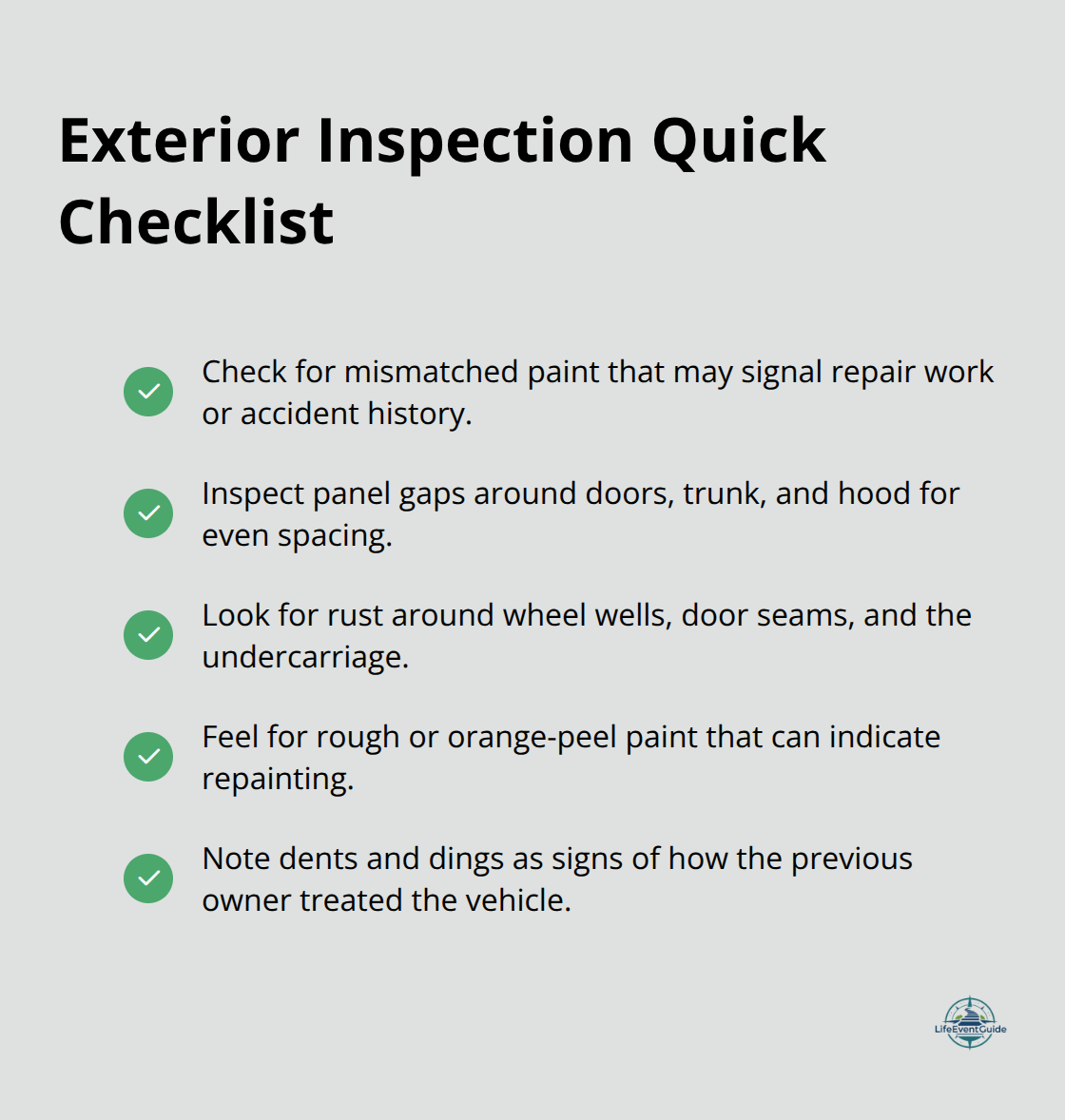
The first 15 minutes in a dealership parking lot matter more than most people realize. Walk around the car with fresh eyes and spot problems that become expensive headaches later. Start with the exterior. Look for mismatched paint, which signals poor repair work or accident history. Check panel gaps along doors, the trunk, and hood-gaps should be even all the way around. Uneven gaps mean the car has been in a collision and poorly realigned. Inspect for rust spots, especially around the wheel wells, door seams, and undercarriage. Run your hand over the paint to feel for rough spots or orange-peel texture that indicates repainting. Dents and dings matter less than structural integrity, but they tell you how the previous owner treated the vehicle. A car covered in small dents suggests neglect.
Tire Condition Reveals Previous Owner Behavior
Tire condition is one of the most honest indicators of vehicle history and maintenance. Check tread depth using the penny test-insert a penny into the tread with Lincoln’s head upside down. If you see the top of his head, the tread is too shallow and replacement is urgent. Proper tread depth should be at least 4/32 inch according to safety standards. Look at wear patterns next. Even wear across all four tires suggests proper alignment and maintenance. Excessive wear on the inside or outside edges means alignment problems exist, which cost $150 to $300 to fix. One tire worn significantly more than others points to suspension issues or a history of hard driving. Check that the spare tire, jack, and lug wrench are present and functional. Many used cars arrive at dealerships missing these items, and you’ll need them during ownership.
Lights and Visibility Systems Prevent Accidents
Walk around the entire vehicle and activate every light. Have the salesperson turn on the headlights while you stand in front of the car-both high and low beams should work. Walk to the back and check brake lights, reverse lights, and turn signals. A burned-out bulb costs $15 to $50, but multiple failures suggest electrical problems or poor maintenance. Wiper blades should move smoothly across the windshield without streaking or skipping. If they leave marks or miss sections, replacement blades cost $20 to $40 but indicate the previous owner ignored maintenance. Inspect all windows for cracks or chips. Even small damage spreads quickly due to temperature changes and road vibrations. Check that all windows operate smoothly and seals around them show no cracks or deterioration.
These exterior checks take only minutes but reveal whether the car received proper care. Once you confirm the basics look solid, you’re ready to get behind the wheel and test how the car actually performs on the road.
How the Car Feels on the Road
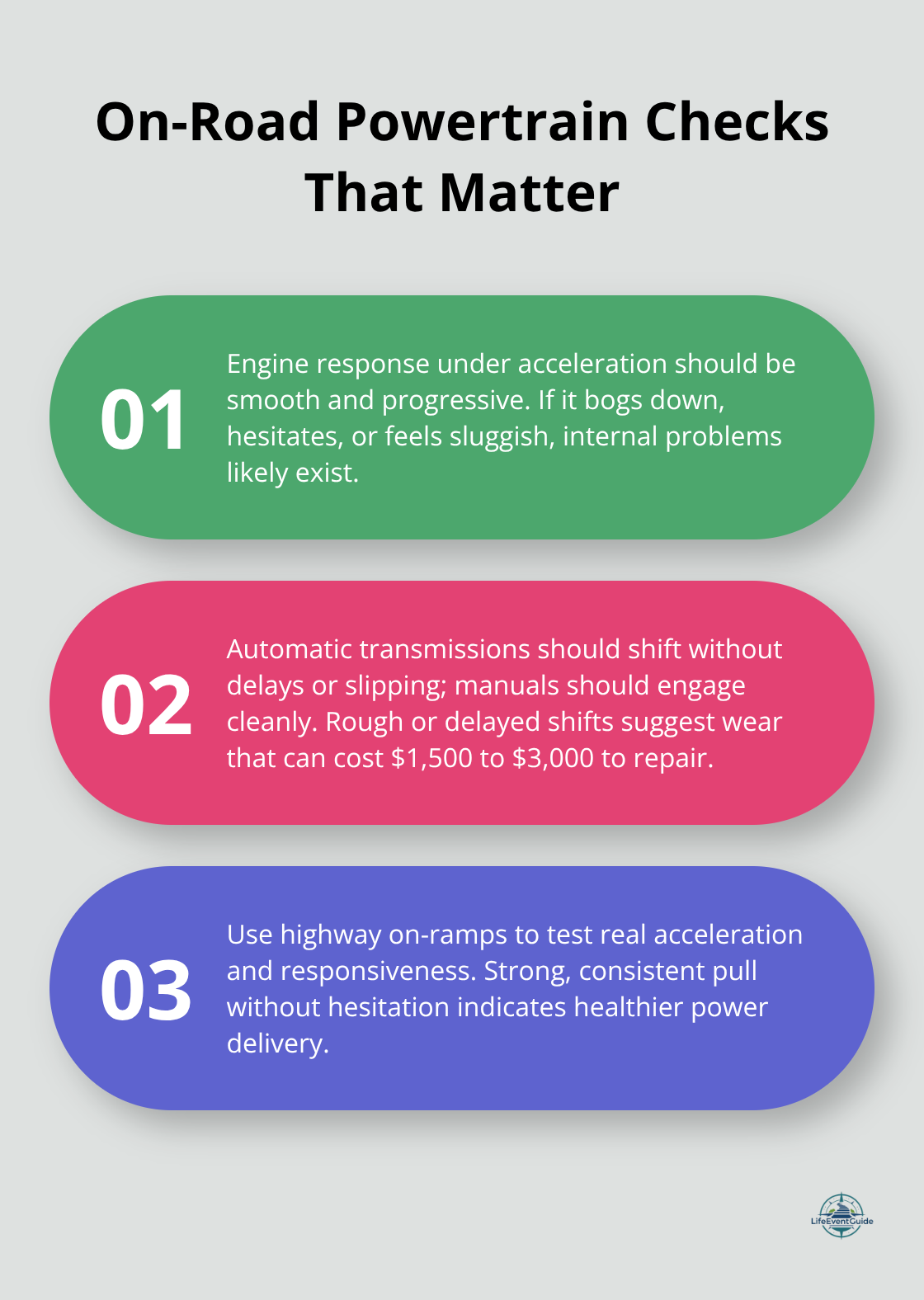
The moment you press the accelerator tells you whether this car suits your driving style and whether the engine or transmission has problems. Press the accelerator smoothly from a stop and feel how the engine responds-it should build power without hesitation or roughness. On the highway, merge onto a ramp and push the accelerator harder to feel real acceleration. If the engine bogs down, hesitates, or feels sluggish, internal problems likely exist. Automatic transmissions should shift smoothly without delays or slipping between gears; manual transmissions should engage cleanly without grinding or shuddering. Rough shifts or delayed response suggest transmission wear that costs $1,500 to $3,000 to repair.
Test Braking at Multiple Speeds
Start with light pressure on city streets and feel the pedal response-it should feel firm and progressive, not mushy or overly sensitive. At highway speeds, brake harder to test real stopping power. The car should stop straight without pulling left or right, which indicates brake imbalance or suspension issues. Listen for grinding or squealing, which signals worn pads or rotors needing replacement at $300 to $600 per axle.
Evaluate Steering and Suspension Response
Test steering through curves and lane changes. The wheel should respond immediately to your input without delay or numbness. Excessive play in the steering wheel, vagueness during turns, or the car pulling to one side points to alignment problems or suspension wear. Drive over rough pavement and speed bumps to evaluate suspension behavior. The car should absorb bumps smoothly without harsh jolts or excessive bouncing. Clunking noises over bumps indicate worn shocks struts suspension components that cause the vehicle to bounce more than usual and create an uncomfortable ride, costing $400 to $1,200 to fix.
Listen for Engine and Cabin Noise
Turn the radio off and listen carefully to engine noise during acceleration and at highway speeds. A ticking sound suggests valve problems or carbon buildup. Knocking during acceleration indicates engine knock or detonation, a serious concern. Wind and road noise should remain moderate; excessive noise points to poor insulation or worn seals.
Test Climate, Controls, and Technology
Operate the climate control system at full heating and cooling to confirm it reaches temperature and distributes air evenly. Check that all windows and controls operate smoothly and quietly. Connect your smartphone via USB and Bluetooth, then try Apple CarPlay or Android Auto to confirm responsiveness and reliability. Ask the salesperson to demonstrate the infotainment system-menus should be intuitive and the touchscreen should respond without lag. Review safety features like automatic emergency braking, blind-spot warnings, and lane-keeping assist by accessing settings in the car’s menu. Plan your test drive route to include city streets with traffic, highway merging, curves, and rough roads-this real-world variety reveals how the car handles everyday driving and exposes problems that won’t show up on smooth pavement. Once you complete the drive, you’ll have solid data on performance and comfort, but the work isn’t finished yet.
After the Test Drive: What Actually Matters
The test drive ends, but your evaluation shouldn’t. Most buyers walk out of the dealership and make a decision based on how the car felt for 30 minutes, ignoring critical information that emerges once you step away. Sit down with your notes while the drive is fresh in your memory and write down specific observations: did the transmission hesitate during merges, did the brakes feel confident, did the steering respond immediately? Vague impressions fade fast, but concrete details stick. Next, request the vehicle history report and maintenance records from the dealer. A well-maintained car shows consistent service intervals, usually every 5,000 to 7,500 miles for oil changes depending on the vehicle and oil type. Gaps in service history are red flags that suggest the previous owner skipped maintenance, which means hidden damage likely exists.
Verify Odometer Reading and Check for Recalls
Verify the odometer reading matches the vehicle’s age. Check for any open recalls on the manufacturer’s website using the vehicle identification number. The National Highway Traffic Safety Administration database shows which recalls apply to your specific model year and engine type, and you need to confirm the dealer will address these before purchase.
Cross-Reference Fuel Economy Against Real-World Conditions
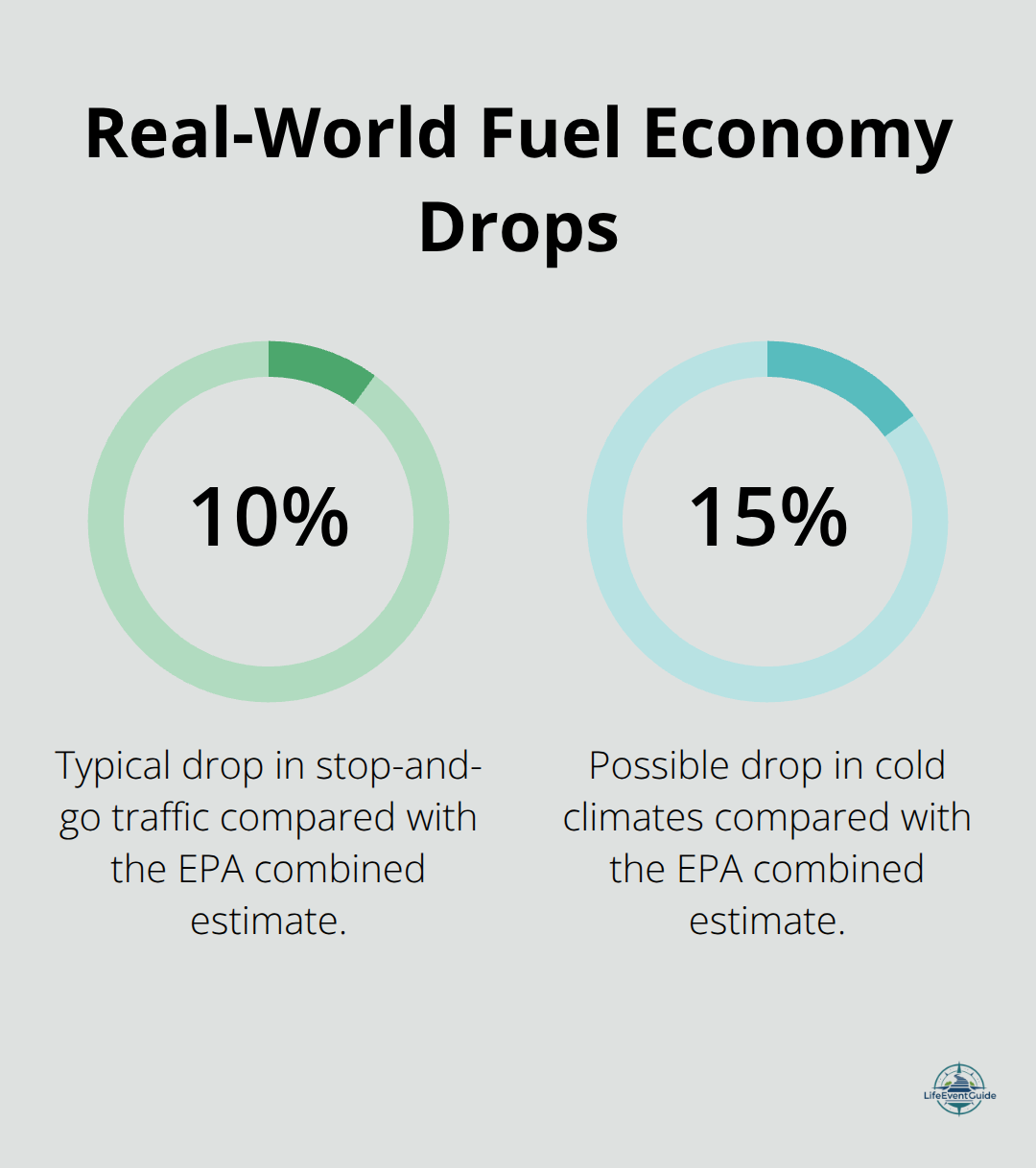
The EPA estimates on the window sticker rarely match actual driving. If the sticker claims 28 miles per gallon combined, expect 24 to 26 in real conditions, especially if you drive in stop-and-go traffic or cold climates where fuel economy drops 10 to 15 percent according to EPA data. Ask the dealer for the previous owner’s fuel consumption records if available, or calculate it yourself by dividing total miles by total gallons used during your test drive.
This matters because the difference between 24 and 30 mpg adds up to roughly $600 per year on a 12,000-mile annual driving schedule at current fuel prices. Test the infotainment system’s fuel economy display-it often shows real-time consumption and trip averages, which help you understand how your driving habits affect efficiency. Independent reviews from Consumer Reports or professional automotive journalists provide unbiased data on how the car performs over months of testing. Schedule test drives at multiple dealerships for the same model year and trim level. This comparison reveals whether pricing is competitive and whether one example shows better condition than others.
Document Condition and Obtain Professional Inspection
Take photos of the odometer, exterior condition, tire tread, and interior before you leave the dealership. These images create a record of the car’s condition and protect you if disputes arise later about pre-existing damage. For used vehicles, spend $100 to $200 on a pre-purchase inspection from an independent mechanic who has no stake in the sale. They’ll check components you can’t assess yourself-transmission fluid condition, suspension wear, brake system integrity, and whether warning lights indicate serious problems. This inspection often reveals issues that justify negotiating $500 to $2,000 off the asking price.
Compare Multiple Vehicles Systematically
Schedule back-to-back test drives if you’re comparing multiple vehicles, and grade each one consistently using the same criteria: acceleration feel, braking confidence, steering responsiveness, noise levels, and comfort. This systematic approach prevents you from falling in love with the first car and missing a better option. If anything feels off during the test drive-rough shifts, hesitation under acceleration, unusual noises-walk away and test a different example. The car market has inventory, and settling for a vehicle with warning signs leads to expensive repairs within months.
Final Thoughts
A test drive checklist transforms car buying from guesswork into a systematic process that protects your investment. The exterior condition, tire wear, and light functionality reveal how the previous owner treated the vehicle, while acceleration, braking, steering response, and noise levels show whether the car performs reliably and suits your driving style. Safety features, fuel economy data, maintenance records, and professional inspections confirm whether the car justifies the asking price.
Most buyers spend 30 minutes behind the wheel and sign paperwork the same day, missing problems that emerge only after weeks of ownership. Schedule multiple test drives across different dealerships, compare vehicles using consistent criteria, and walk away from any car that feels off-a hesitating transmission, pulling brakes, or unusual noises signal you to test a different example. Document everything before you finalize your purchase: take photos of the odometer and condition, request maintenance records, verify the vehicle history report, and schedule a pre-purchase inspection from an independent mechanic (these steps cost time upfront but save thousands in unexpected repairs later).
We at LifeEventGuide understand that buying a car is a major life transition requiring planning and careful decision-making. Our event-specific checklists and guidance help you navigate this process calmly and confidently, avoiding common mistakes and reducing risk. Use this test drive checklist as your foundation, trust your observations, and move forward only when you feel certain about your choice.
Publisher’s Note: LifeEventGuide is an independent educational publisher. Some articles reference tools or services we recommend to help readers explore options related to major life transitions. Learn more about how we make recommendations here.