

Moving day stress often starts weeks before the truck arrives. The difference between a smooth transition and a chaotic one comes down to preparation, and that’s where a solid pre-move tasks checklist makes all the difference.
We at LifeEventGuide have seen firsthand how families who plan ahead experience far less moving day anxiety. This guide walks you through the essential steps to organize your move from start to finish.
Create a Moving Timeline and Set Clear Goals
Start planning three months ahead
The moment you know your move date, work backwards from that day to build a realistic timeline. This backward planning forces you to identify what actually needs to happen and when, rather than hoping things fall into place.
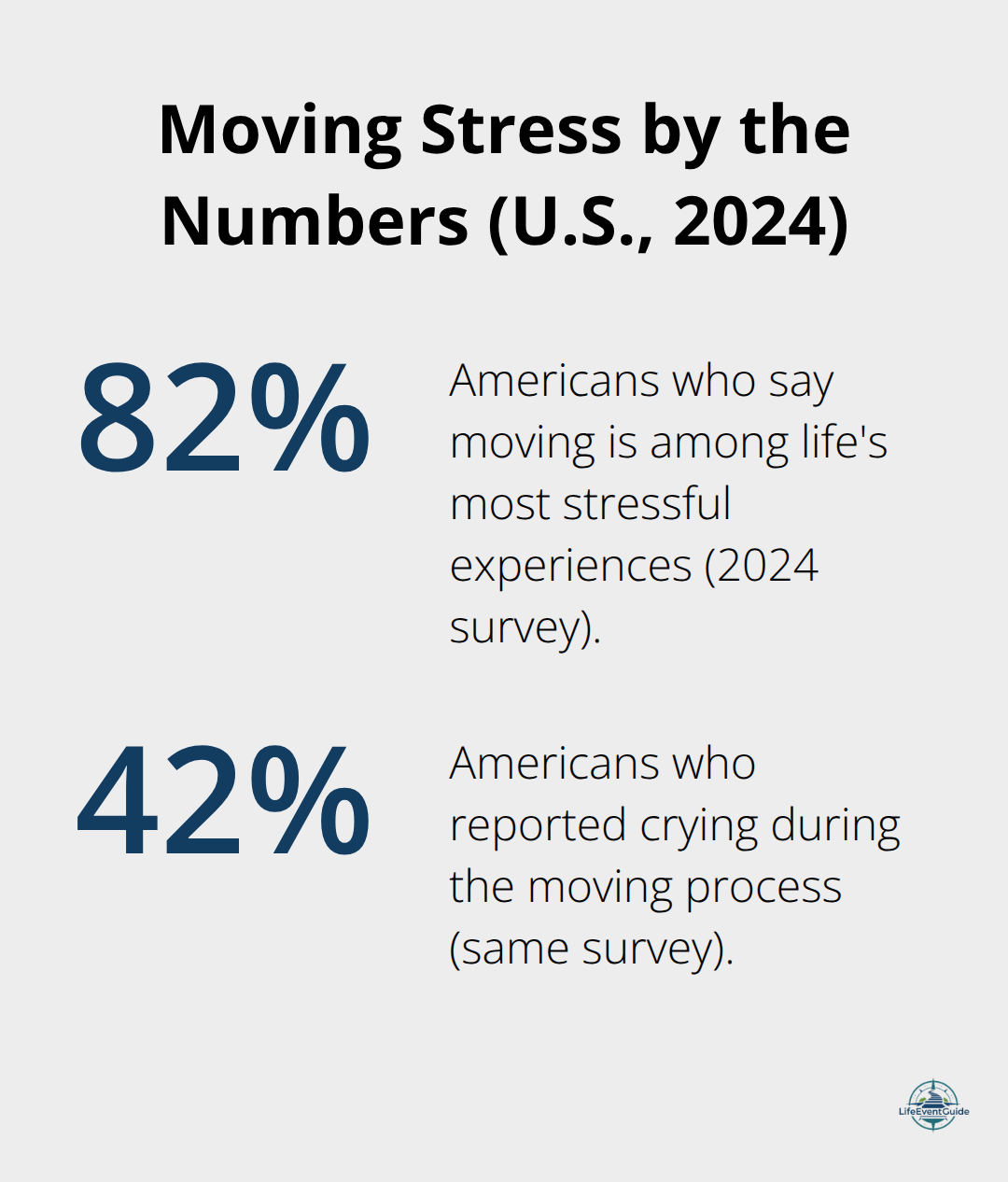
Set your move date first, then mark the critical checkpoints: when you need to book movers (ideally eight weeks before), when utilities must be arranged (four weeks prior), when you should finish packing (one week before), and when your address change takes effect (same day or one day after arrival). A 2024 survey found that 82 percent of Americans consider moving one of life’s most stressful experiences, with 42 percent reporting they cried during the process-but most of that stress stems from poor timing, not the move itself.
Build your budget early and stick to it
Your moving budget needs to account for truck rental or professional movers, deposits and first month’s rent, utility setup fees, address change services, and supplies like boxes and tape. If you hire professional movers, prices spike during peak season from May through September; booking early locks in better rates and availability. Set aside at least 500 dollars as an emergency fund for unexpected costs (a broken item, a last-minute storage need, or a utility deposit that’s higher than expected). Track every expense in a spreadsheet or moving binder from day one, including estimates from moving companies, quotes for utilities, and packing supply costs. This prevents sticker shock and shows you where money actually goes. If your budget feels tight, start selling items you don’t need immediately; Facebook Marketplace and Craigslist move items quickly and put cash in your pocket before moving day arrives.
Identify the decisions that unlock everything else
Beyond the move date itself, certain decisions control the entire timeline. When does your current lease end or your house sale close? When does your new job start or your new lease begin? When must schools receive notification for your children? When should you request time off work? Write these dates down and build your checklist around them. For example, if your new apartment becomes available on the fifteenth but your current lease ends on the first, you need temporary storage or a flexible move-in arrangement-that’s a decision to make now, not on moving day. If you move for a job, coordinate your move-in date with your start date; most people underestimate how much time they need to settle in before their first day. Create a dedicated moving binder or spreadsheet with columns for task, deadline, assigned person (if applicable), and status. Update it weekly so nothing falls through the cracks, and you’ll have a clear picture of what comes next: sorting through your belongings and deciding what actually makes the trip to your new home.
Organize Your Current Home and Decide What to Take
Start decluttering 8-12 weeks before moving day
Most people move too much stuff. The average American home contains about 300,000 items, and moving all of them costs real money-whether you pay a mover by the pound or rent a truck by the day. Go room by room and make three piles: keep, sell, and donate. Be ruthless about this decision. If you haven’t used something in the past year and it doesn’t serve a clear purpose in your new space, it goes. Clothes you outgrew, kitchen gadgets collecting dust, books you’ll never reread-these items cost you money to move and take up space in your new home.
Convert clutter into moving funds
Facebook Marketplace and Craigslist move items fast; list things with photos and competitive pricing, and you’ll convert clutter into moving funds. You can also advertise on Facebook Marketplace, put up signs in your area directing people to your sale, and offer electronic payment options like Cashapp or PayPal. Donate what doesn’t sell to Habitat for Humanity’s ReStore or local charities within two weeks of your move date so you don’t store items in your new home.
Create a master inventory as you sort
Number each box or container and record what goes inside using a simple spreadsheet with columns for box number, room destination, and contents. This system prevents the chaos of unpacking mystery boxes and helps you locate items quickly in your new home. Photograph furniture and large items before packing to document their condition, which protects you if damage claims arise during the move. Keep this inventory accessible on moving day-print it out or save it to your phone-so you can verify that boxes arrive at the correct rooms.
Pack strategically to protect your belongings and back
Heavy items like books and kitchen equipment go into smaller boxes to keep weight under 50 pounds; this protects your back and makes boxes easier to move through doorways. Use plastic storage bins instead of cardboard boxes for items you might need to access during unpacking, since bins stack better and reveal contents at a glance.
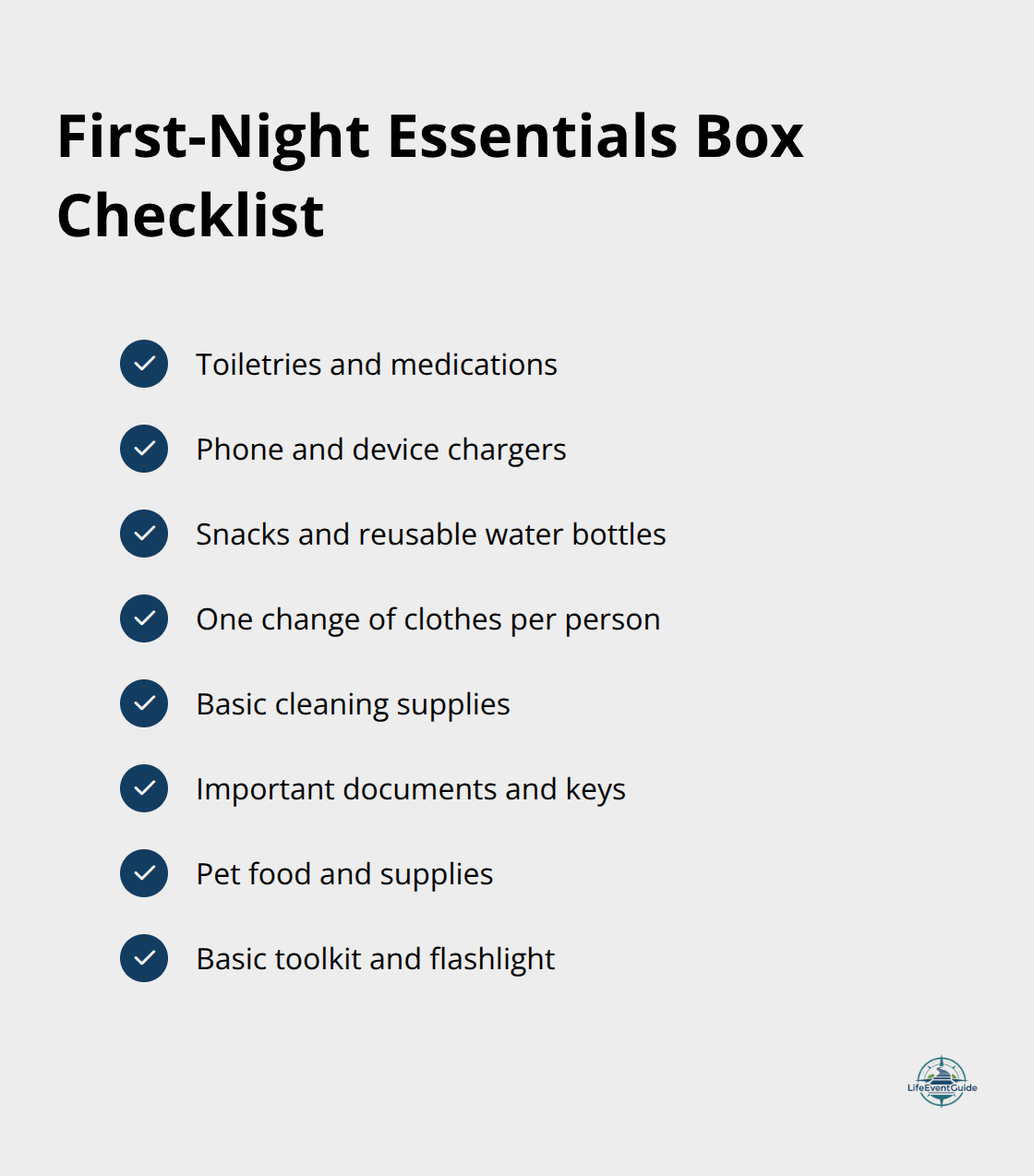
Set aside an essentials box with toiletries, medications, chargers, snacks, a change of clothes, and basic cleaning supplies for your first 24 to 48 hours in the new home-this box arrives last on the truck but gets opened first. With your belongings sorted and packed strategically, you’re ready to tackle the administrative side of your move.
Handle Administrative and Logistical Tasks
Notify key parties about your move immediately
The moment you lock in your move date, notify your employer, landlord, and key service providers. Your employer needs at least two weeks’ notice to adjust your work arrangements or, if you’re relocating for a job, to coordinate your start date with your move-in window. Contact your current landlord or mortgage servicer to confirm your move-out date and schedule a final walkthrough; many leases require 30 to 60 days’ notice, and missing this deadline can cost you your security deposit. File a USPS Change of Address form at least two weeks before moving day-this costs nothing online and automatically redirects mail for up to 12 months. Update your address with your bank, credit card companies, insurance provider, and any subscription services within one week of moving; delays here can cause missed bills or misdirected statements.
Transfer medical and vehicle records
Contact your doctor, dentist, and pharmacy to transfer medical records to providers near your new home, especially if you take regular medications. Reach out to your vehicle insurance company to update your address and adjust coverage based on your new location; rates often change depending on your zip code, and you’re legally required to maintain coverage.
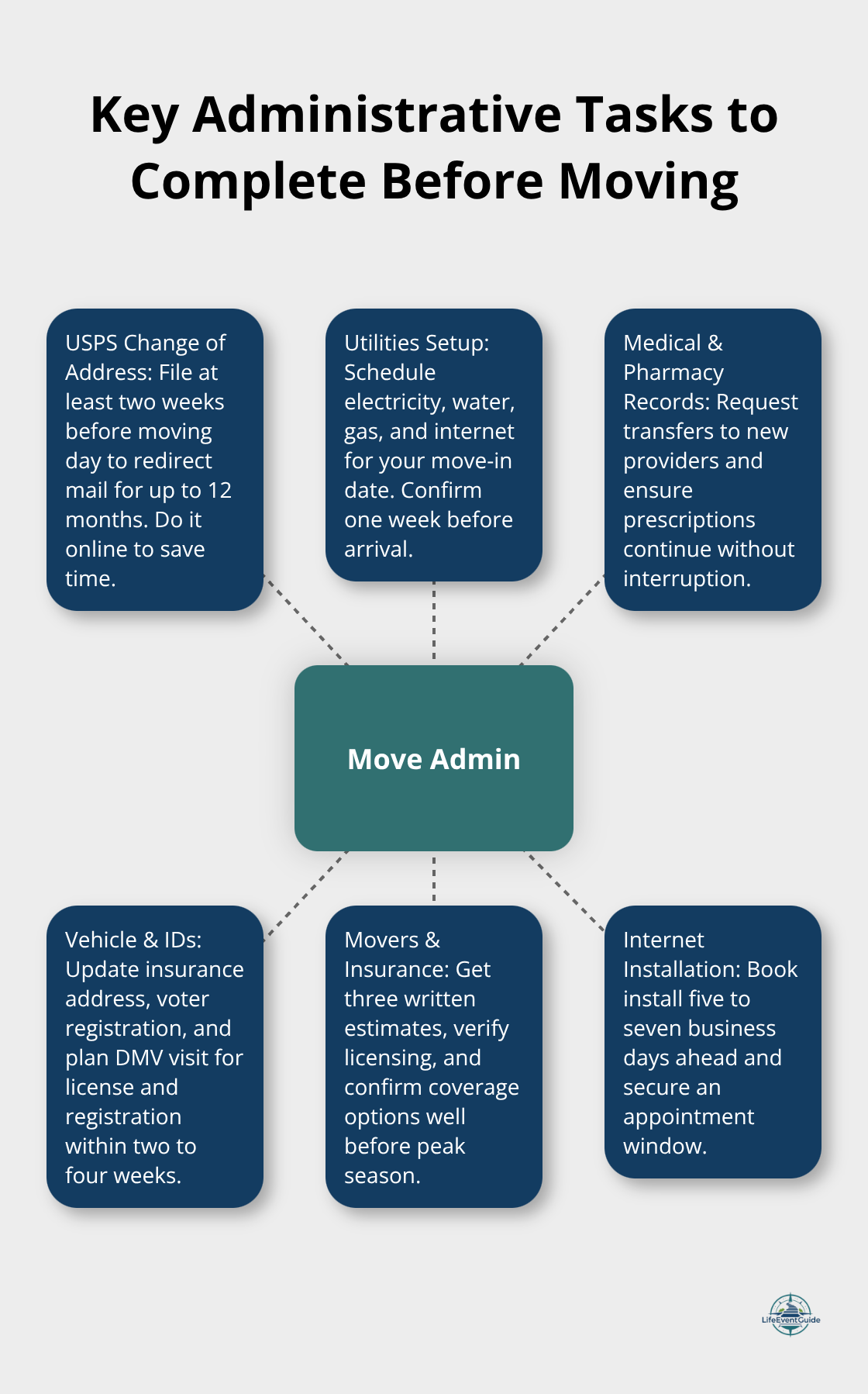
Update your voter registration through your state’s election office, and if you own a vehicle, schedule a DMV appointment to update your driver’s license and vehicle registration after you move-these updates usually take two to four weeks and require an in-person visit.
Book movers and arrange utilities early
Professional movers may offer savings when booked in advance, and peak season from May through September fills up fast. Obtain written estimates from at least three companies, ask about insurance options, and verify they’re licensed by checking the Federal Motor Carrier Safety Administration database. Schedule utilities to be transferred or activated on your move-in date-electricity, water, gas, and internet should all be confirmed one week before arrival to avoid spending your first night without power or heat. Many utility companies require a deposit if you’re a new customer, so budget an extra 200 to 400 dollars for these setup fees.
Confirm internet installation and final details
Contact your internet provider separately; residential broadband installation typically takes five to seven business days, so schedule this early and confirm an installation window. These administrative tasks (address changes, utility transfers, and service updates) run parallel to your packing and decluttering efforts, so tackle them consistently throughout your pre-move period rather than waiting until the final week.
Final Thoughts
Pull out your moving binder or spreadsheet and scan through it one final time to check off what you’ve completed and confirm all deadlines remain accurate. Verify your mover appointment details one week before moving day, confirm utility installation windows, and mark off notifications to your employer and landlord. This 30-minute review prevents last-minute scrambling and ensures your pre-move tasks checklist stays on track.
Moving is a major life transition, and the stress you feel often reflects how prepared you actually are. The families who move smoothly aren’t the ones with perfect circumstances-they’re the ones who planned ahead and followed through on their commitments. Your first night in the new home doesn’t need to be perfect; it just needs to be functional, and you’ve already done the hard work by reading this guide and starting your checklist.
Start tackling your remaining tasks today rather than waiting until next week. We at LifeEventGuide understand that major life transitions feel overwhelming without a clear roadmap, which is why our event-specific checklists and planning framework help you move through changes calmly and confidently by defining your goals, timeline, and key decisions upfront.
Publisher’s Note: LifeEventGuide is an independent educational publisher. Some articles reference tools or services we recommend to help readers explore options related to major life transitions. Learn more about how we make recommendations here.