

Getting a pet is one of life’s biggest decisions, and it deserves real thought before you bring an animal home. The wrong match between your family and a pet leads to stress, expense, and heartbreak for everyone involved.
At LifeEventGuide, we’ve created this pet suitability checklist to help you match your actual life with the right companion. Honest answers about your schedule, budget, and living space make all the difference.
Your Schedule Determines Pet Compatibility
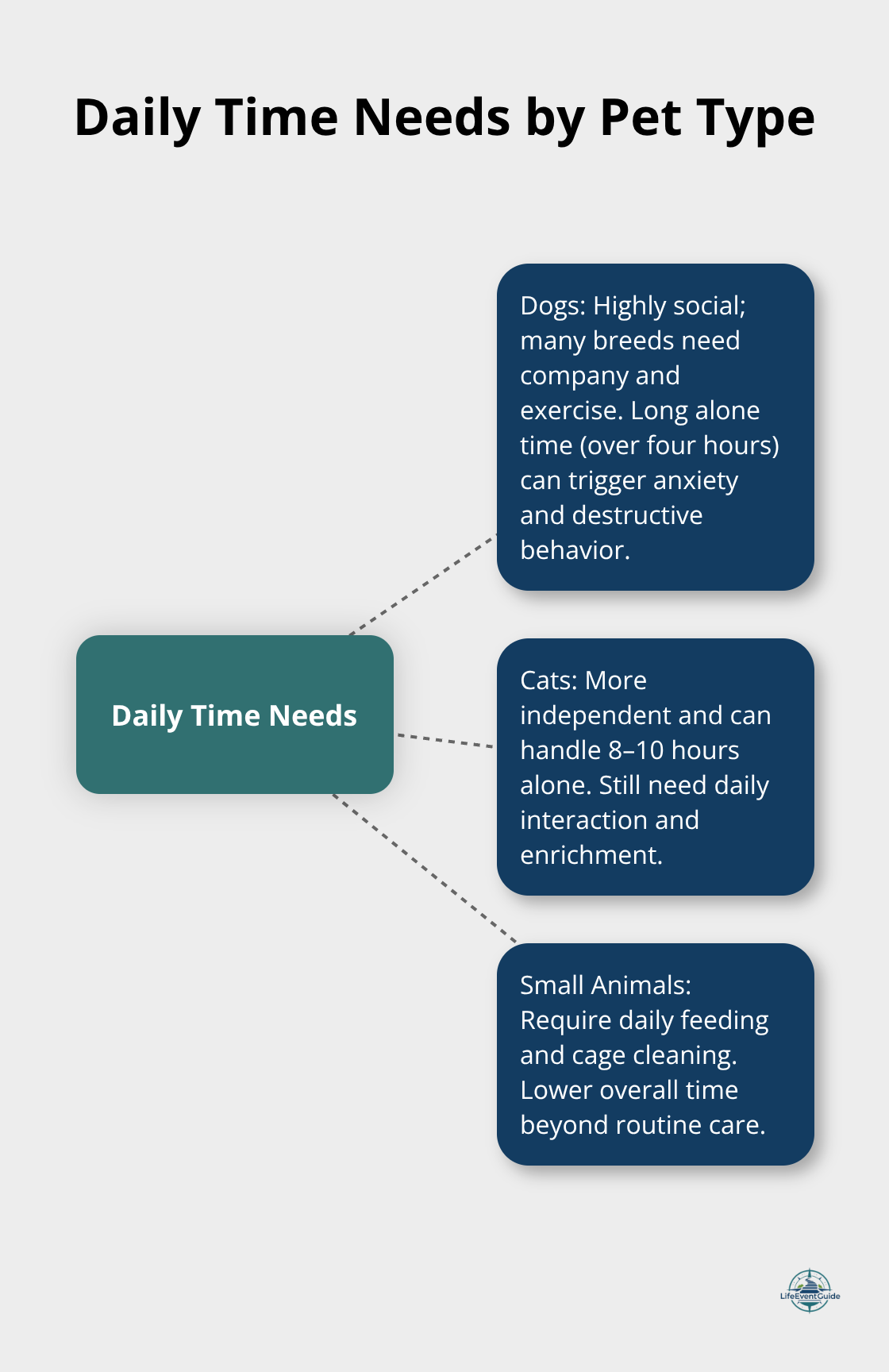
Your daily schedule is the single most important factor in choosing the right pet, and most people underestimate how much time pets actually need. If you work ten hours a day and travel frequently, adopting a highly social dog breed like a Vizsla or Labrador Retriever will lead to separation anxiety, destructive behavior, and a miserable animal. Dogs left alone for more than four hours at a time regularly develop anxiety and may start chewing furniture, having accidents indoors, or barking excessively. Certain breeds like Vizslas are so attached to their owners that they struggle significantly when left alone. If your work schedule keeps you away that long, you need either a pet sitter, dog walker, or a breed known for independence like a Basset Hound or Greyhound, which can handle longer stretches alone more comfortably. Cats are far more independent than dogs and can manage eight to ten hours alone without major issues, though they still need daily interaction and mental stimulation. Small animals like hamsters and guinea pigs require daily cage cleaning and feeding but minimal time commitment beyond that, making them realistic for busier households.
Home Size Limits Your Pet Options
Your living space directly limits which pets are practical for your family. Large breeds like Labrador Retrievers and Golden Retrievers typically need at least a medium-sized home with outdoor space to prevent weight gain and behavioral problems from insufficient exercise. A Labrador confined to a small apartment without regular access to a yard or nearby park will develop frustration and weight issues that cost thousands in veterinary care over their lifetime. Apartments work best for smaller breeds like French Bulldogs, Cavalier King Charles Spaniels, or Greyhounds, which adapt well to limited space despite their varying exercise needs. Cats and small animals require minimal square footage and actually prefer contained environments where they feel secure. Giant breeds like Great Danes need more space than their size suggests because they’re prone to hip dysplasia and joint problems, requiring careful movement and frequent position changes, so cramped quarters accelerate their health decline. If you’re renting, verify your lease allows pets and understand any size or breed restrictions before falling in love with a dog you cannot legally keep.
Travel and Work Commitments End Many Pet Relationships
Extended travel or unpredictable work schedules are relationship killers for pets. If you travel more than three weeks per year or work irregular hours that shift your availability week to week, pet ownership becomes a logistical nightmare that costs money and creates stress. Dog boarding costs between $40–$50 a night or day on average, and some pets struggle with the stress of unfamiliar environments, returning home anxious or sick. If your job requires frequent overnight travel, a pet that depends on you is unfair to the animal. Some people think they can manage with a pet sitter, but most sitters provide only thirty minutes of daily care, which is insufficient for high-energy dogs needing two hours of exercise. If your work situation is unstable or your schedule changes regularly, wait until your life stabilizes before bringing a pet into it. Cats tolerate occasional absences better than dogs if you arrange daily check-ins, but they still need consistency and routine to feel secure.
Next: Understanding What Different Pets Actually Cost
Once you’ve honestly assessed your schedule and living space, the next step is understanding the financial reality of pet ownership. Different species and breeds carry vastly different costs-not just for food and basic supplies, but for veterinary care, grooming, and unexpected emergencies that can strain your budget significantly.
What Different Pets Actually Cost
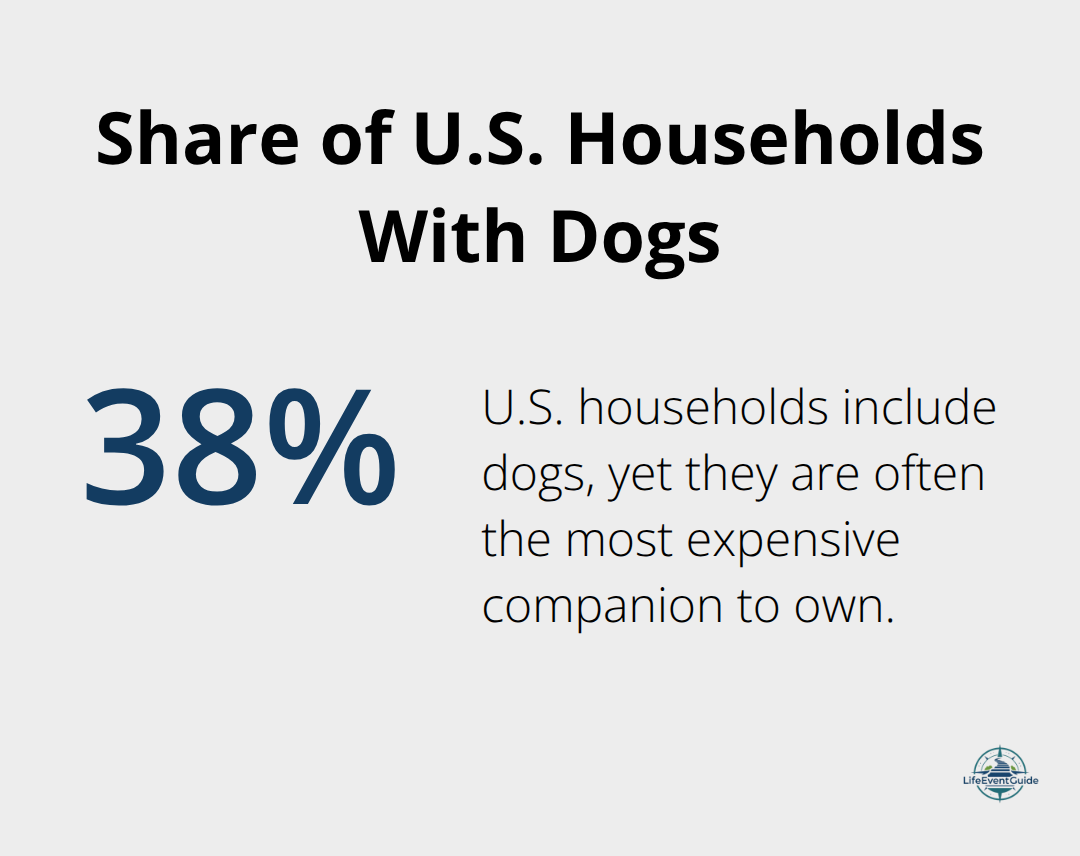
Dogs occupy 38 percent of American households, but they rank as the most expensive companion you can bring home. A medium-sized dog costs between $1,500 and $3,000 in the first year alone when you factor in adoption fees, vaccines, microchipping, spaying or neutering, food, toys, and basic supplies.
After that first year, annual costs drop to $500–$1,500 depending on breed size and health needs, but emergency veterinary care can spike costs dramatically. A single emergency surgery or extended illness runs $2,000–$10,000, which is why pet insurance matters if your budget is tight. Professional grooming for long-haired breeds like Poodles or Shih Tzus costs $50–$100 every six to eight weeks, adding up to $5,000–$10,000 over the dog’s lifetime.
Lifespan and Size Shape Your Total Investment
Giant breeds like Great Danes have shorter lifespans of seven to ten years but compress those costs into a shorter window, while small breeds live twelve to sixteen years, spreading expenses across more time. Cats cost significantly less at $800–$1,500 in the first year and $400–$800 annually afterward because they need no grooming, less food, and fewer behavioral interventions. Small animals like guinea pigs or rabbits cost $300–$600 initially and $200–$400 yearly, making them realistic for budget-conscious families, though they require daily cage maintenance that many people underestimate.
Health Risks and Breed-Specific Conditions
Breed-specific traits directly determine your actual spending beyond food and routine care. Golden Retrievers and Labrador Retrievers face hip dysplasia and cancer at elevated rates, requiring imaging, medications, and sometimes surgical intervention costing thousands. French Bulldogs and other flat-faced breeds struggle with breathing problems and ear infections, driving regular veterinary visits and medications. If you adopt from a shelter, ask staff about known health issues or behavioral needs before committing, because managing a dog with chronic anxiety or diabetes requires ongoing veterinary care and specialized food.
Energy Level and Grooming Demands
High-energy breeds like Border Collies, Siberian Huskies, and Dalmatians need sixty to ninety minutes of daily exercise plus consistent mental stimulation, which means you’re either investing your time or paying for dog walkers and training classes that add $50–$200 monthly. Hypoallergenic breeds like Poodles need professional grooming every four to six weeks to prevent matting, while short-haired breeds like Basset Hounds need minimal grooming but shed heavily and require frequent vacuuming and lint rolling.
Independence and Behavioral Needs
Independent breeds like Greyhounds or Basset Hounds tolerate longer alone periods without behavioral fallout, reducing your need for paid dog walkers, while clingy breeds demand constant attention or develop separation anxiety. Your honest assessment of which traits matter most-energy level, grooming time, health risks, independence, or temperament-directly shapes whether pet ownership fits your budget and lifestyle realistically. Once you understand the financial picture, the next step involves matching these costs and care demands against your family’s actual capacity to provide them.
Ready to Choose Your Pet
Match Your Life Against Pet Demands
Stop making pet decisions based on emotion and start using a structured comparison that matches your actual life against realistic pet demands. Create a simple three-column chart on paper or a spreadsheet where you list each pet you’re considering, then rate how well your schedule, home, and budget align with that pet’s needs on a scale of one to five, with five being a perfect fit. If a dog scores a two for schedule compatibility because you work nine hours daily, no amount of love changes that reality, and adopting it anyway guarantees failure. Most people skip this step entirely and wonder why their new pet becomes a source of stress within months.
The pets that thrive in your home are the ones where your lifestyle creates at least a four or five across all three categories: schedule, space, and financial capacity. Your living space plays a significant role in determining the suitable canine companion, so if you’re comparing a French Bulldog against a Border Collie for an apartment with a busy work schedule, the math is obvious before you ever visit a shelter. Write down the specific daily hours you can dedicate to exercise and play, your actual monthly budget surplus after rent and food, and the square footage of your living space. These numbers eliminate guesswork and prevent adoption regret.
Invest Upfront to Prevent Larger Expenses Later
Once you know which pet type fits, spend money upfront to prevent far larger expenses later. Budget for your first year with a dog, which covers adoption fees, initial veterinary care, spaying or neutering, quality food, a bed, toys, and a collar with ID tag. Many people cheap out on initial supplies and end up replacing items repeatedly, wasting money in the process.
Invest in a sturdy crate for training and safety, quality food appropriate to your dog’s age and size, and basic tools to reduce professional grooming costs. Set aside $500 minimum as an emergency fund for unexpected veterinary issues, because a single UTI or ear infection costs $300 to $500 at most clinics. Pet insurance runs $20 to $50 monthly depending on breed and age, and it protects you against catastrophic bills if your dog develops a chronic condition or requires surgery.
Establish Veterinary Care and Health Baselines
Before your pet arrives home, identify a veterinary clinic within ten minutes of your house and schedule an initial exam within one week of adoption. An early veterinary visit establishes a health baseline for your pet and detects hidden health concerns early, preventing complications that cost thousands later. This step matters more than most people realize because early detection prevents expensive problems from developing.
Prepare Your Home for Safe Pet Integration
Prepare your home by removing toxic plants like lilies and sago palms, securing electrical cords, and storing medications and cleaning supplies out of reach. Designate a quiet space where your pet can retreat when stressed.
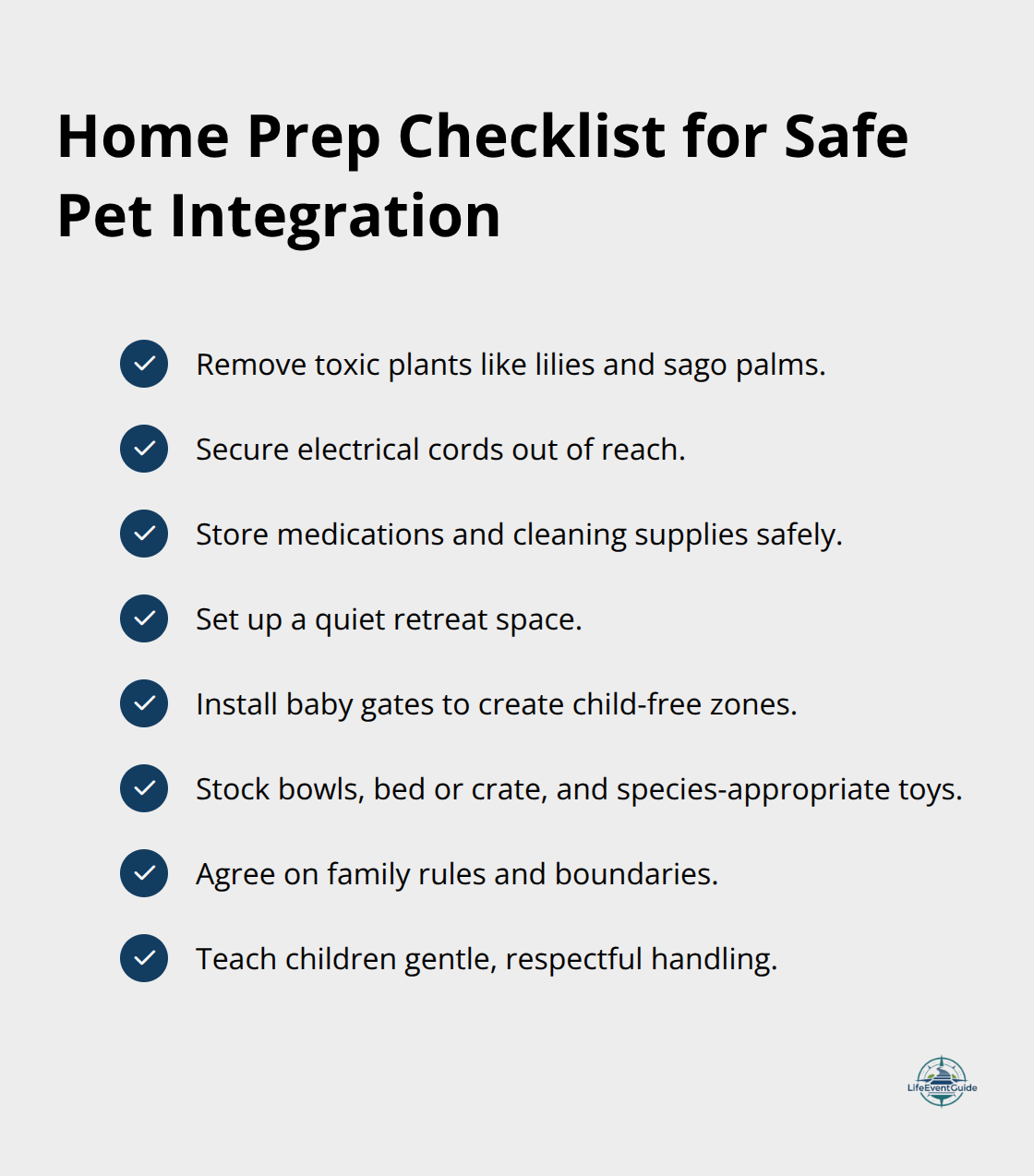
Install baby gates if you have children under twelve to create safe zones where your pet can rest undisturbed.
Stock food and water bowls, a bed or crate, appropriate toys for the species, and any breed-specific gear like a harness for a strong puller. Your family should agree on basic rules before the pet arrives so everyone enforces the same boundaries consistently. If your children have never lived with a pet, spend time at shelters or with friends’ animals to help them understand that pets are not toys and require gentle handling and respect for boundaries.
Final Thoughts
Choosing the right pet comes down to honest answers about your actual life, not the life you wish you had. Your schedule, home size, budget, and willingness to commit for ten to sixteen years determine whether pet ownership succeeds or fails. The pet suitability checklist you worked through in this guide matches you with an animal that will thrive in your home instead of becoming a source of regret and expense.
The families who keep their pets longest made decisions based on reality, not impulse. They knew their work hours before adopting a dog, measured their apartment before bringing home a large breed, and calculated their monthly budget before committing to ongoing costs. These steps take time, but they prevent the heartbreak of returning a pet to a shelter or watching an animal suffer in a mismatched home.
If you worked through this guide and your answers show a strong match between your life and a pet’s needs, you stand ready to move forward with confidence. We at LifeEventGuide believe that major life decisions like pet adoption deserve the same careful planning you apply to buying a home or starting a business-and our decision-making framework helps you navigate this transition with clarity and purpose.
Publisher’s Note: LifeEventGuide is an independent educational publisher. Some articles reference tools or services we recommend to help readers explore options related to major life transitions. Learn more about how we make recommendations here.