

Buying a car is one of the biggest financial decisions you’ll make. Whether you’re considering a new versus used car, the choice affects your budget, lifestyle, and peace of mind for years to come.
At LifeEventGuide, we’ve helped countless people navigate this decision by breaking down what actually matters. This guide walks you through the financial realities, reliability factors, and personal priorities that should shape your choice.
Financial Considerations When Buying a Car
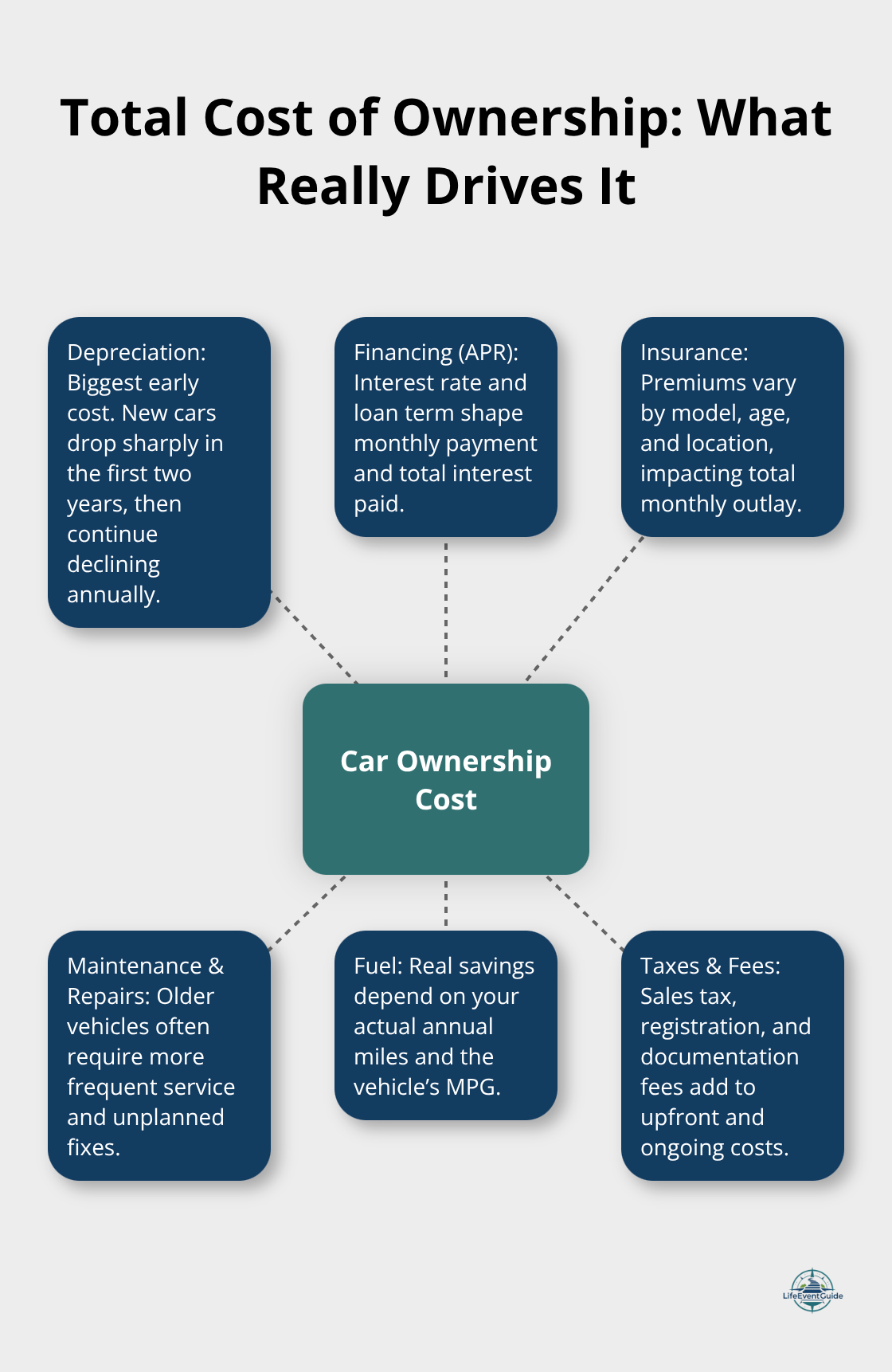
The Real Cost of Ownership
The sticker price tells only half the story. Experian data from Q3 2025 shows the average new car costs about $748 monthly versus $532 for used cars, but this masks a more complex financial picture. A new 2023 Kia Sorento at $32,000 looks expensive next to a used 2020 model at $24,000, yet the $8,000 difference shrinks when you factor in what actually happens over time. New cars depreciate about 30% over the first 2 years, then continue to depreciate 8-12% each year after that. Used cars have already absorbed much of that initial hit, which is why a low-mileage used vehicle often delivers stronger value retention relative to its purchase price. The financing gap matters too: new-car loans averaged 6.56 percent APR in Q3 2025, while used-car loans sat at 11.40 percent.
If you finance a $24,000 used car at that higher rate over 67 months versus a $32,000 new car at the lower rate over 69 months, the monthly payment difference narrows considerably, and sometimes the new car becomes the cheaper monthly option. Comparing total costs matters far more than comparing purchase prices alone.
What Maintenance Actually Costs
Used cars demand more attention to your wallet. A 13-year-old car with 100,000 miles typically costs around $2,000 annually in maintenance-roughly $170 per month. Over a 10-year ownership period, that adds up to approximately $20,000 in repairs and upkeep. New cars come with full manufacturer warranties, commonly covering 3 years or 36,000 miles, which eliminates most early maintenance expenses. Used cars may have no warranty at all, though certified pre-owned vehicles often include manufacturer-backed coverage that provides genuine peace of mind. Insurance premiums also diverge: new cars cost more to insure due to higher replacement costs, though the difference varies by model and your location. The real decision hinges on whether you’re comfortable absorbing unexpected repair bills or prefer the predictability of a warranty.
Getting the Numbers Right
Obtain quotes from your insurance provider for both options before you decide, as this cost can swing your total ownership calculation significantly. For used cars, always pull a vehicle history report and consider paying for an independent inspection before purchase. These steps cost $150 to $300 upfront but prevent you from buying a car with hidden problems that could drain your budget within months. When you compare total loan costs, factor in insurance, maintenance, fuel, and taxes alongside the monthly payment. Tools like NerdWallet’s Total Car Cost Calculator help you see the full picture across a 5- to 10-year horizon. Pre-qualify for auto loans before you shop so you understand what interest rates you’ll actually receive. This knowledge shifts the negotiation in your favor and reveals whether a new or used car truly fits your financial situation.
Reliability, Warranty, and Peace of Mind
New Car Warranties Protect You When You Need It Most
New car warranties shield you from repair costs during the years when problems are least likely to occur. Most manufacturers cover 3 years or 36,000 miles as standard, with some brands extending to 5 years or 60,000 miles. This warranty covers parts and labor, meaning a transmission failure or engine defect costs you nothing. The real value isn’t just financial-it’s the certainty that you won’t face a $3,000 repair bill in year two. However, warranties expire precisely when older cars tend to need them most. Once you hit that 36,000-mile mark, you’re on your own.
Used Cars and the Certified Pre-Owned Advantage
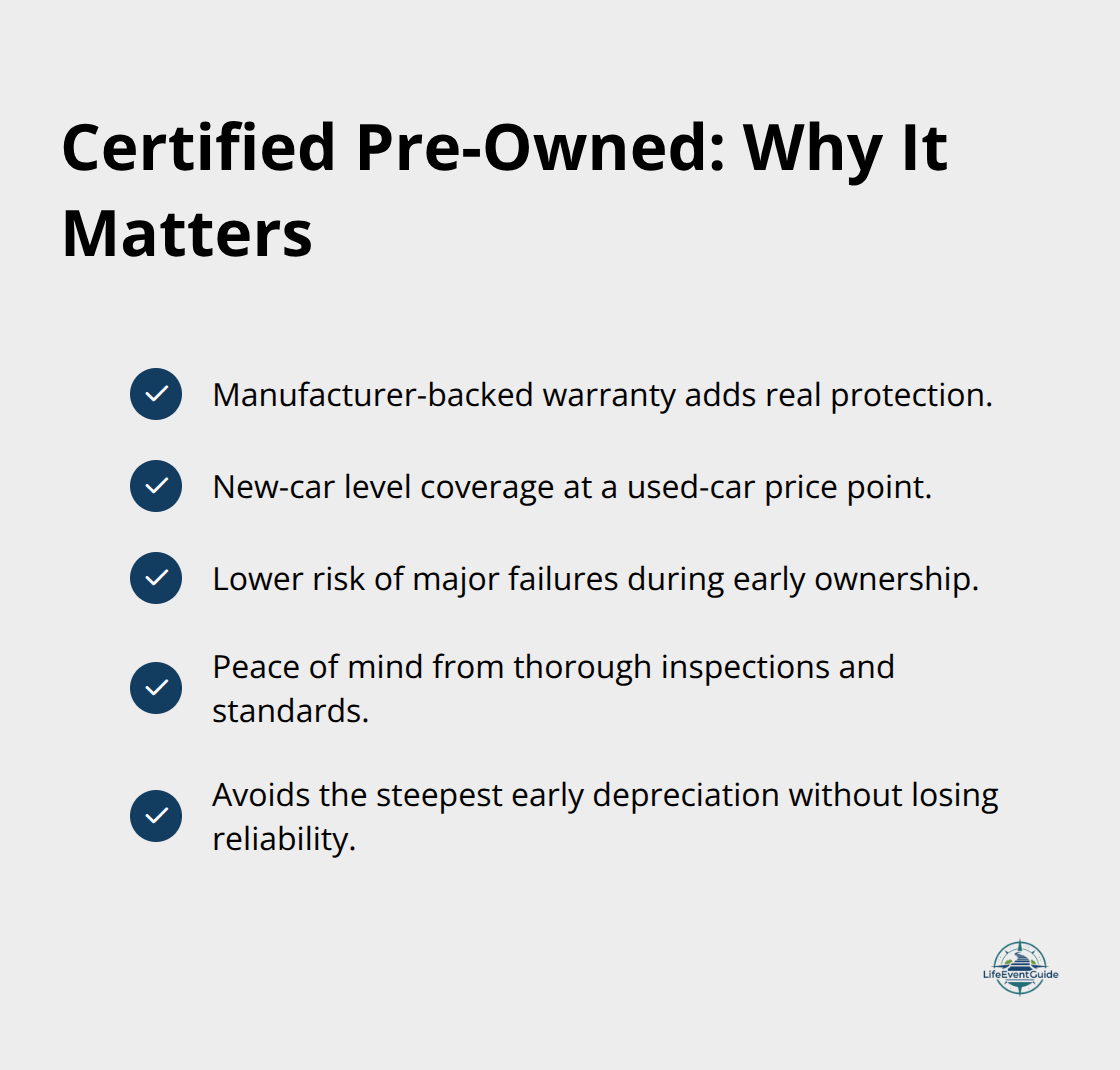
A used car arrives with its warranty already consumed or significantly depleted. Certified pre-owned vehicles bridge this gap by including a manufacturer-backed warranty. This matters because you essentially buy a new car’s warranty protection at a used car’s price. For non-certified used cars, you get nothing unless the previous owner transferred any remaining factory coverage, which is rare. This is why a $24,000 used 2020 Kia Sorento with 29,000 miles and a clean service history appeals to many buyers-the car is still young enough that major failures are uncommon, and you’ve already avoided the steepest depreciation cliff.
Vehicle History Reports and Independent Inspections Reveal Hidden Problems
Vehicle history reports and independent inspections are your only defense against purchasing someone else’s problems. Services like Carfax or AutoCheck reveal accident history, title status, service records, and odometer readings. An independent pre-purchase inspection by a trusted mechanic costs $150 to $300 but catches hidden damage that no report reveals. This inspection should verify that the seller’s name on the title matches their driver’s license-a critical step that prevents fraud from curbsiders who flip cars without legal ownership. Mechanics check suspension wear, transmission responsiveness, brake condition, fluid leaks, and rust patterns that predict future failures.
Maintenance History Determines How Long Your Car Lasts
For a used car, a thorough inspection is non-negotiable. A 13-year-old car with 100,000 miles will cost around $2,000 annually in maintenance, but a thorough inspection identifies whether this particular car will land at $1,500 or $3,000. Expected lifespan depends entirely on maintenance history. A used car with documented regular oil changes and brake maintenance will last far longer than one with spotty records. Modern cars routinely reach 200,000 miles with proper care, but skipped services compound into expensive failures. When you compare a new car’s predictable costs against a used car’s variable repair landscape, the inspection transforms guesswork into informed decision-making. This foundation of knowledge about your vehicle’s actual condition sets the stage for understanding how lifestyle factors and personal priorities shape the final choice between new and used.
How Your Driving Patterns Shape the New Versus Used Decision
Annual Mileage Determines Fuel Economy’s Real Value
Your annual mileage transforms fuel efficiency from a marketing talking point into actual dollars. If you drive 7,500 miles yearly, a newer car’s superior fuel economy becomes almost irrelevant financially. A 2010 model at 40 miles per gallon consumes roughly 188 gallons annually, costing around $752 per year at current fuel prices. A 2023 model at 50 miles per gallon uses about 150 gallons, saving you approximately $150 annually or $1,500 over a decade. That $1,500 fuel savings vanishes in a single month of higher payments on a new car.
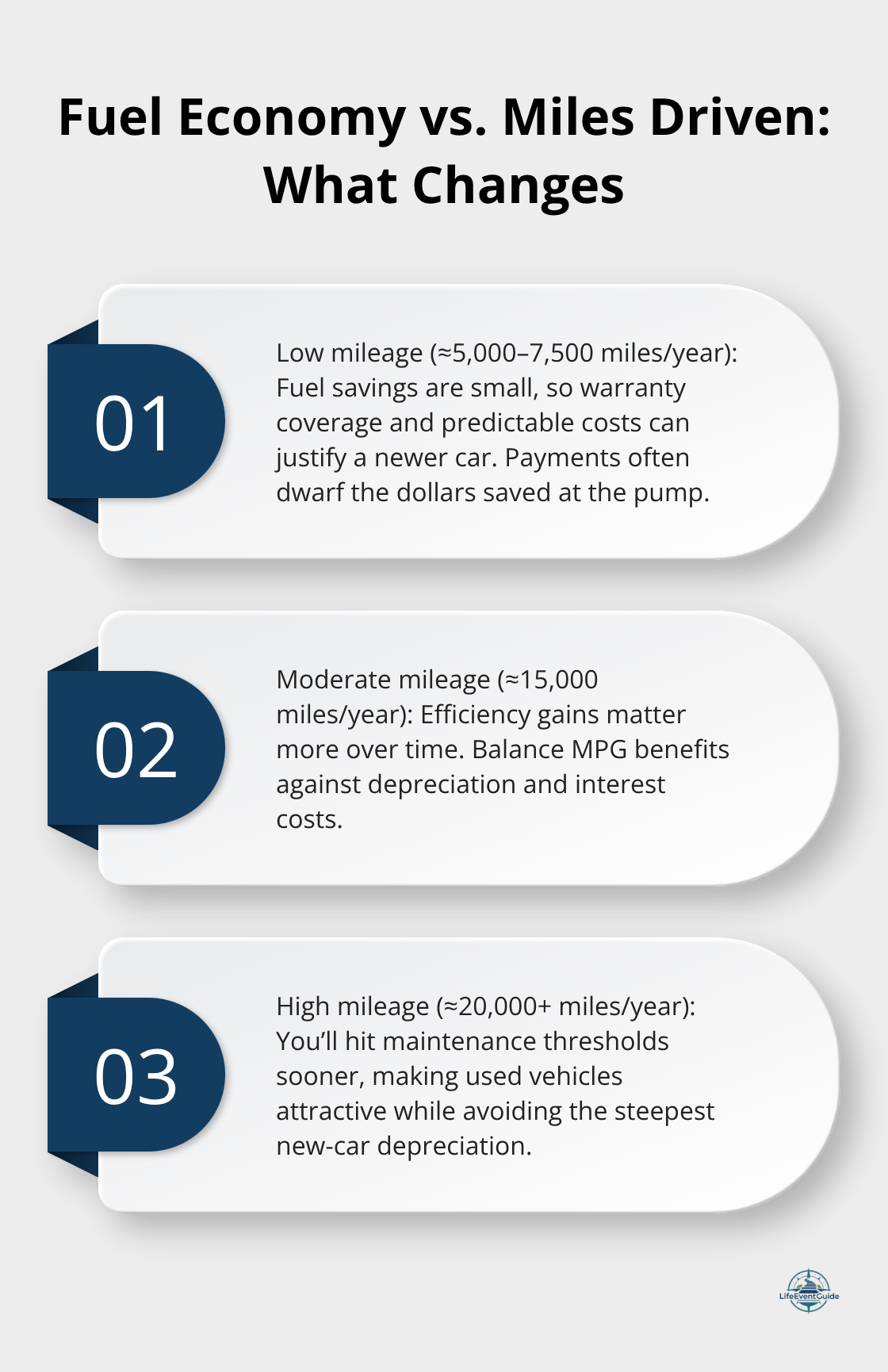
However, if you drive 15,000 miles yearly, fuel efficiency gains double, making the newer car’s economy genuinely meaningful over time. The critical calculation involves comparing your actual annual miles against the car’s depreciation curve and financing costs. A high-mileage driver racking up 20,000 miles yearly should lean toward used vehicles because you’ll hit major maintenance thresholds faster anyway, so you might as well avoid the steepest depreciation hit. Low-mileage drivers who put 5,000 miles annually on their car face the opposite reality: a new vehicle’s warranty and lower maintenance costs justify the premium because you’ll own the car through its warranty period without heavy use.
Driving Habits Affect Reliability and Risk
Driving habits matter equally to annual mileage. If you take frequent long highway trips, a newer car’s reliability and updated safety features become genuine assets. City driving with stop-and-go traffic stresses brakes and transmissions harder, making a used car’s unknown maintenance history riskier. Off-road or unpaved-road driving demands a vehicle with known suspension integrity, which an inspection on a used car can verify but a new car guarantees through warranty coverage.
Technology and Features Shape Daily Experience
New cars offer the latest infotainment systems, driver-assistance features, and safety sensors that genuinely improve daily driving and resale appeal. A 2023 Kia Sorento includes adaptive cruise control, lane-keeping assist, and smartphone integration that a 2020 model may lack entirely. These features aren’t luxuries for families with young children or aging parents; they reduce accident risk and driver fatigue on long trips. However, a three-year-old used car still has modern technology without the $8,000 premium for the absolute latest version.
Environmental Impact Favors Used Cars in Most Scenarios
Fuel efficiency improvements matter less than many assume. The jump from 40 to 50 miles per gallon sounds dramatic until you calculate actual dollars. At $150 yearly savings, you’d need to own the car for 50 years to recoup an $8,000 premium through fuel alone. Environmental impact from manufacturing a new car also weighs against fuel savings for the first several years of ownership. A used car’s smaller environmental footprint from avoided production makes it the greener choice unless you keep the new car for 10+ years and drive it extensively.
Match Your Choice to Your Actual Driving Life
Try a new car for its warranty, latest technology, and guaranteed reliability if you plan to keep it beyond 100,000 miles and drive it frequently. Try a used car if you drive moderately, can afford an inspection, and accept variable maintenance costs in exchange for lower upfront payments and depreciation protection.
Final Thoughts
The new versus used car decision rests on three interconnected factors: your financial situation, your tolerance for maintenance uncertainty, and how you actually use your vehicle. New cars offer predictable costs through warranties, latest safety features, and lower maintenance expenses during ownership. Used cars deliver immediate depreciation protection and lower monthly payments, though they demand more attention to inspection and repair budgeting. Neither choice is universally right or wrong-the correct answer depends entirely on your circumstances.
Start with a total cost of ownership calculation across five to ten years, not just the monthly payment. Factor in insurance quotes, expected maintenance based on the specific model’s reliability history, fuel costs aligned with your actual annual mileage, and taxes. This complete picture reveals whether the $8,000 premium for a new car costs more or less than financing a used vehicle at higher interest rates while absorbing repair expenses. Pre-qualify for loans before shopping so you understand the interest rates available to you, then compare those rates across new and used options to make an informed new versus used car decision.
Write a pros-and-cons list specific to your priorities and gather competing price quotes from multiple dealers. Compare loan offers side by side, verify vehicle history reports before committing, and use our structured decision-making framework to transform this stressful choice into a manageable process where you control the outcome. This methodical approach prevents costly mistakes and builds confidence in your final decision.
Publisher’s Note: LifeEventGuide is an independent educational publisher. Some articles reference tools or services we recommend to help readers explore options related to major life transitions. Learn more about how we make recommendations here.