

Moving day can feel overwhelming when you’re juggling packing, logistics, and finances all at once. We at LifeEventGuide know that having the right tools makes the difference between chaos and calm.
A moving checklist printable gives you a clear roadmap for every stage of your move. This guide walks you through packing strategies, timeline planning, and cost management so nothing gets missed.
How to Pack and Track Everything Without Losing Your Mind
Start with a Room-by-Room Strategy
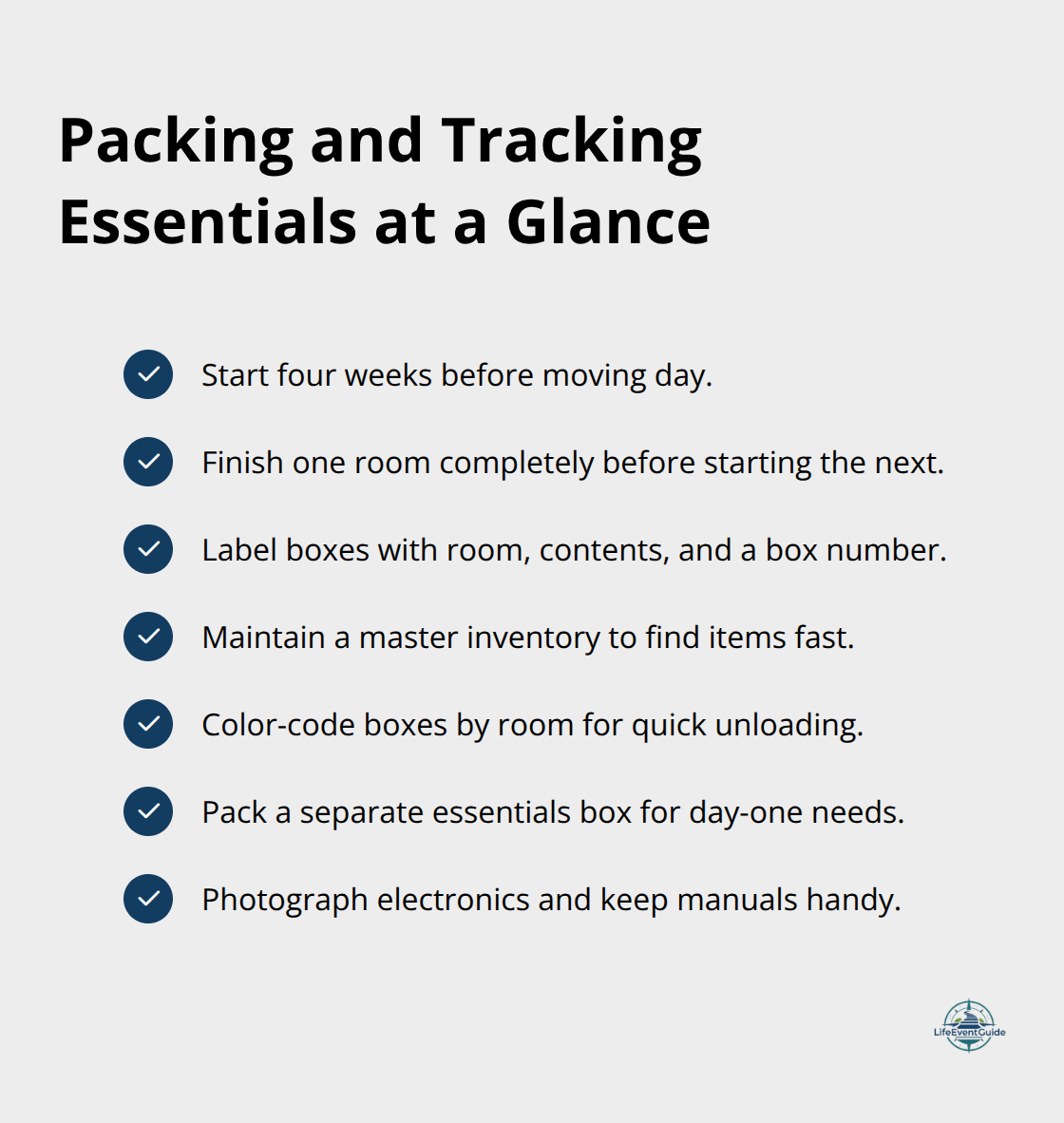
Packing room by room is the only approach that actually works, and you should start four weeks before moving day. Most people pack randomly, mixing items from different rooms into single boxes, which creates chaos during unpacking. Instead, commit to finishing one room completely before moving to the next. This method reduces decision fatigue because you focus on a contained space rather than your entire home. A general guideline suggests number of boxes needed for apartment move, so overestimate slightly rather than cramming items unsafely into fewer boxes.
Create a Labeling System That Works
The labeling system you choose determines whether unpacking takes days or weeks. Label each box with three pieces of information: the destination room, the contents, and a box number that corresponds to a master inventory. This inventory prevents you from opening every box searching for your coffee maker or winter boots. Use color-coded markers or stickers assigned to each room-kitchen boxes in blue, bedroom in red, bathroom in green-so you spot them instantly during unloading.
Handle Fragile Items and Valuables Carefully
Fragile items require extra attention during packing. When packing fragile items safely, wrap dishes individually in packing paper or towels, use towels and linens as padding instead of buying bubble wrap, and fill empty spaces in boxes with soft items so nothing shifts during transport. For valuable antiques or items you’re uncertain about moving, obtain written appraisals for valuable items before moving so you have documentation for insurance purposes. Electronics should be photographed before you unplug them, and keep all manuals and warranties accessible so you can reconnect items correctly at your new home.
Pack an Essentials Box for Immediate Needs
Pack a separate essentials box with clothes for a few days, toiletries, phone chargers, and medications-items you’ll need immediately when you arrive-and keep this box in your car rather than on the moving truck. This box ensures you have what matters most within arm’s reach on day one, while everything else travels on the moving truck.
With your boxes labeled, inventoried, and organized by room, you now need to coordinate the timing and logistics of getting everything to your new home.
Timeline and Logistics Planning
Start Planning Six to Eight Weeks Out
The difference between a smooth move and a stressful one comes down to starting early and knowing what needs attention at each stage. You should start planning six to eight weeks before your move, not three weeks out like many people assume. Starting this early lets you secure preferred moving dates, lock in better rates, and avoid the panic of last-minute scrambling.
Get Quotes and Set Your Budget
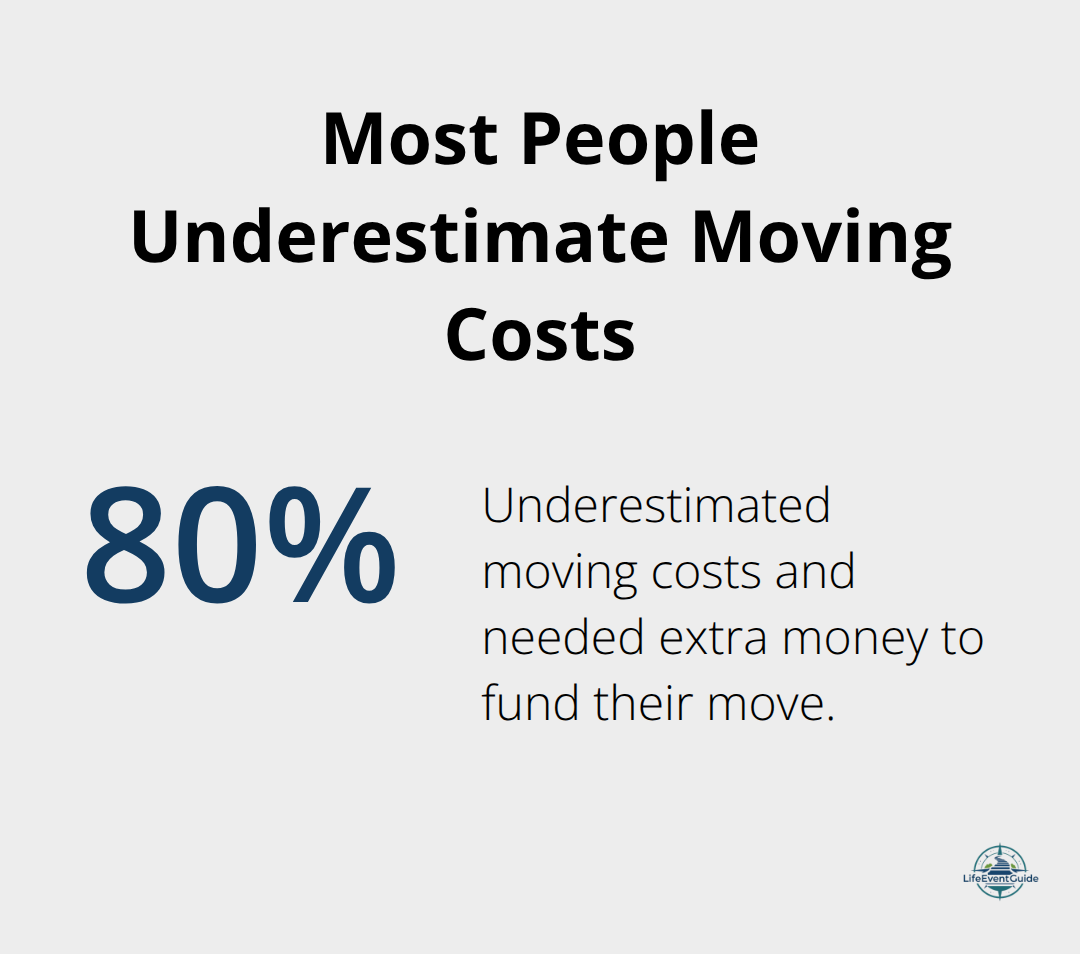
At the six-week mark, your first task is getting accurate quotes from at least three moving companies. Research their credentials through the U.S. Department of Transportation if they’re handling an interstate move, and never book based on price alone-verify their availability for your specific date and ask what their full-service options include. Simultaneously, create a detailed moving budget that accounts for the mover’s fee, packing supplies, utility deposits, address-change services, and a buffer for unexpected costs. 80% of people underestimated moving costs and needed additional money to fund their move, so add a safety margin to your initial estimate.
Handle Utilities and Address Changes Four Weeks Out
Four weeks before moving day, contact your utility providers and schedule disconnection at your current address and activation at your new one. Coordinate these dates carefully so you have electricity, gas, water, and internet on your arrival day-gaps in service create real problems on day one. This is also when you should file your change-of-address form with the USPS and notify banks, insurance companies, subscription services, employers, and healthcare providers of your new address. Many people delay this step and end up missing important mail or having services interrupted.
Confirm Details Two Weeks and One Week Before
Two weeks out, confirm your moving company with complete addresses and multiple contact numbers, then reconfirm again one week before. This prevents misunderstandings about pickup times or access restrictions. If your building requires elevator reservations or parking permits for the moving truck, secure these now rather than discovering they’re unavailable on moving day.
Prepare Appliances and Electronics One Week Before
One week before your move, prepare appliances by unplugging them, defrosting refrigerators if you’re moving them, and disconnecting gas or propane items safely. Take photos of electronics setups and decals before unplugging so you know how to reconnect everything. Disassemble furniture that can come apart, keep hardware in labeled bags, and remove light bulbs so they don’t break in transit. With your timeline locked in and logistics confirmed, you can now focus on the financial side of your move and identify where you can cut unnecessary costs.
Money Management During Your Move
Request Detailed Quotes and Track Every Expense
Moving costs spiral quickly when you don’t track expenses from the start. Most people discover hidden fees only after signing with a mover, which means they’ve already committed to a price that doesn’t reflect reality. Start your budget six weeks out by requesting quotes from at least three moving companies and asking for a detailed breakdown of every charge-transportation, packing materials, labor, fuel surcharges, and insurance. Never accept a phone quote as final; insist on an in-home or virtual walkthrough so the estimate accounts for actual items you’re moving. The American Moving & Storage Association reports that the average cost of a local move ranges from $2,000 to $5,000, while long-distance moves average $4,000 to $8,000, but these figures shift dramatically based on distance, volume, and season.
Your budget should include the mover’s fee plus packing supplies ($200 to $500 for most homes), utility deposits at your new address, USPS change-of-address fees, and a 10% buffer for unexpected costs. Many people forget to budget for items like mattress covers, wardrobe boxes, and specialty boxes for dishes, which add $100 to $300 depending on how many you need. Create a spreadsheet listing every anticipated expense and track actual costs as you spend them-this prevents surprise overdrafts and shows where money is going.
Identify Hidden Fees Before They Surprise You
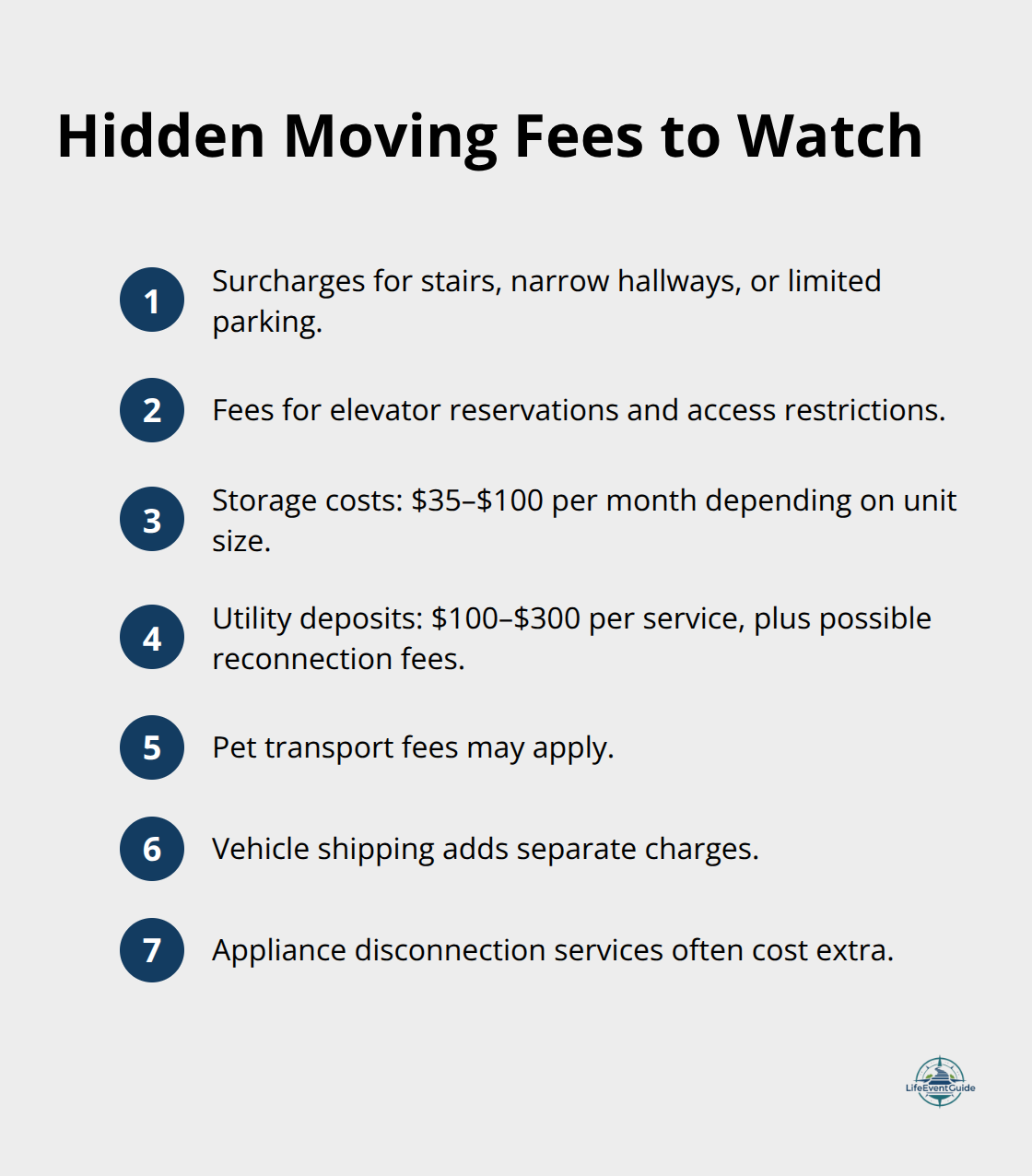
Hidden fees appear in places most people don’t anticipate. Long-distance movers often charge extra for stairs, narrow hallways, or limited parking at either location, so mention these details when requesting quotes. If your new building requires elevator reservations or has access restrictions, those fees fall on you, not the mover. Storage costs typically range from $35 to $100 per month depending on unit size. Utility deposits typically range from $100 to $300 per service, and some utilities charge reconnection fees. Pet transport, vehicle shipping, and appliance disconnection services each carry separate charges.
Cut Costs Through Strategic Decisions
To reduce costs meaningfully, declutter aggressively four weeks before moving because you pay for every cubic foot the mover transports. Selling unwanted items online covers some moving expenses while eliminating weight. Packing yourself instead of paying for full-service packing saves $1,000 to $3,000 on most moves, though this requires starting early and dedicating significant time. Moving during off-peak seasons (fall and winter) and mid-week instead of weekends can reduce mover rates by 10% to 20%. Some employers offer moving assistance or reimbursement, and military families may qualify for discounted rates through official channels. Ask moving companies directly about any available discounts, corporate partnerships, or bundle deals that combine services at lower overall cost.
Final Thoughts
A moving checklist printable transforms what feels like an impossible task into a series of manageable steps. Success comes from starting early, organizing by room, tracking costs carefully, and confirming details at each stage. The real power of a checklist lies in the structure that prevents forgotten tasks and reduces the mental load of coordinating dozens of moving pieces simultaneously.
Your work shifts after you arrive at your new home, though it doesn’t stop entirely. Unpack your essentials box first, then prioritize bedrooms and bathrooms so your family has basic comfort on day one. Update your address with banks, insurance companies, healthcare providers, and your state’s DMV within the first week, and register to vote in your new location.
We at LifeEventGuide offer event-specific checklists and guidance to help you avoid common mistakes and complete your move calmly. Your moving checklist printable is your first tool, and using it consistently transforms a stressful relocation into a smooth transition to your new home.
Publisher’s Note: LifeEventGuide is an independent educational publisher. Some articles reference tools or services we recommend to help readers explore options related to major life transitions. Learn more about how we make recommendations here.